How Long Does Swelling Last After Zygomatic Implants?
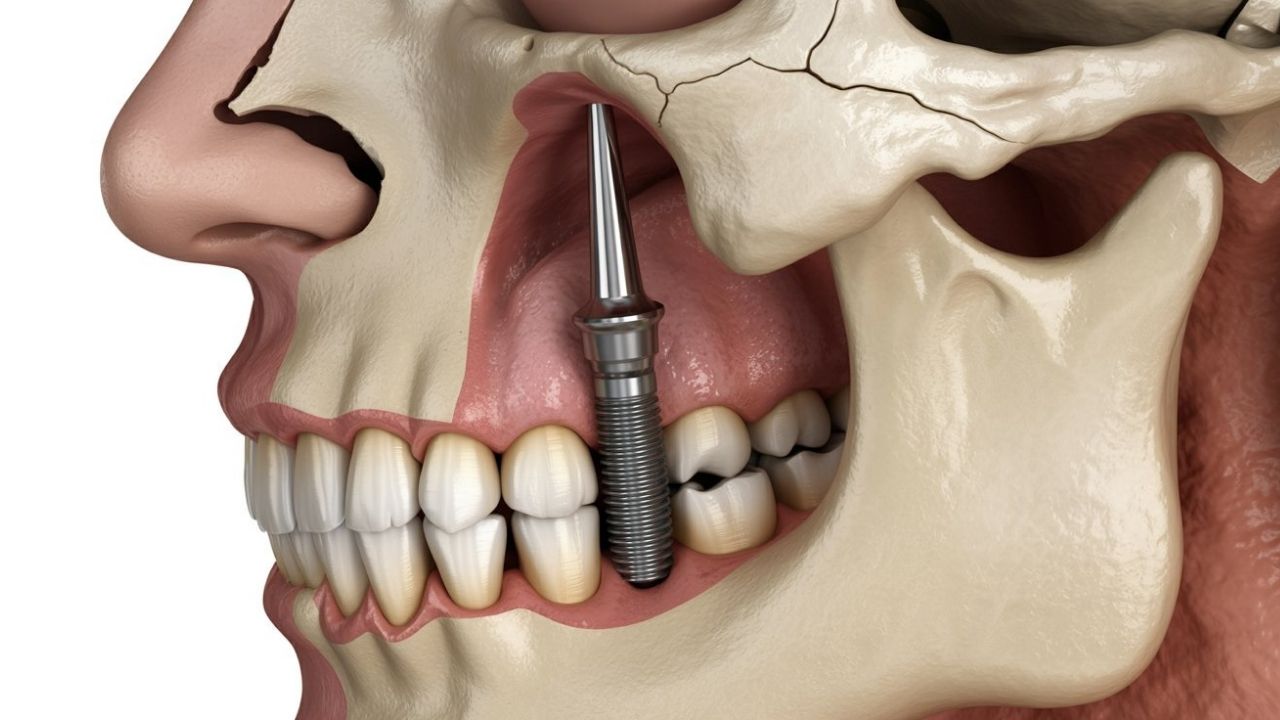
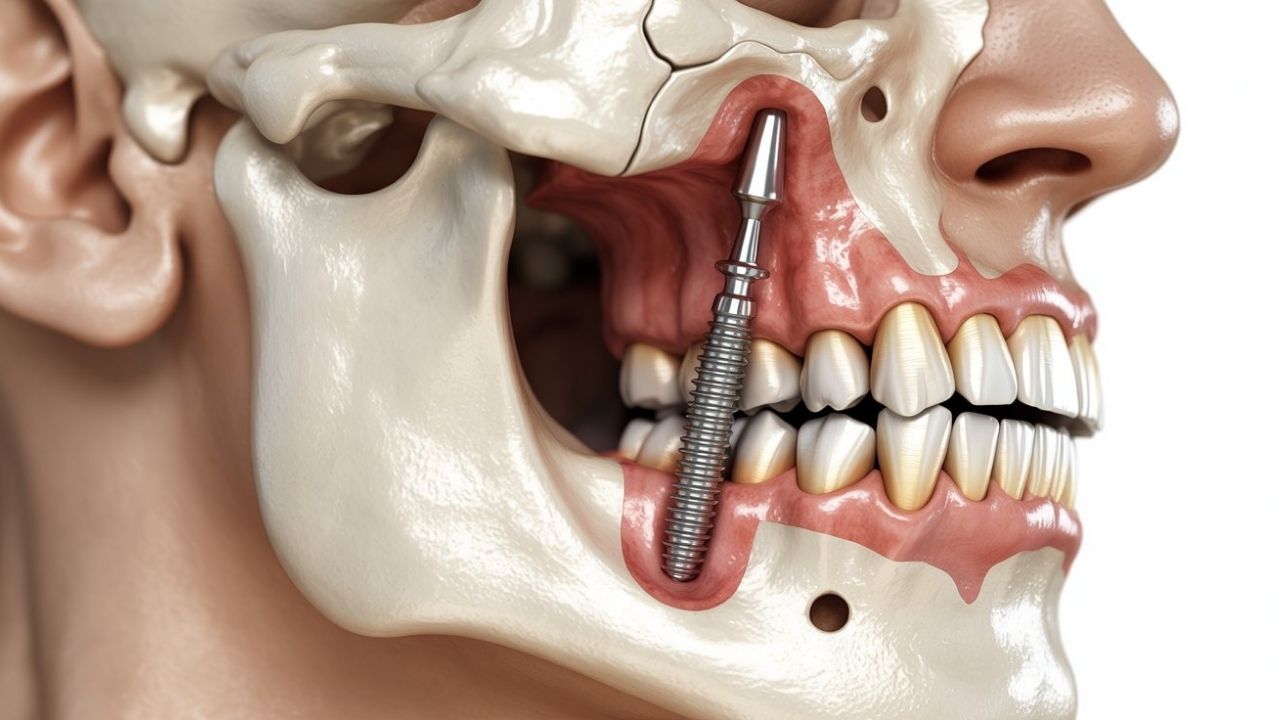
Zygomatic implants offer a solution for patients with significant upper jaw bone loss. Swelling is a common part of the recovery process after zygomatic implants, and understanding its typical duration helps set realistic expectations.
Recovery experiences vary based on individual factors such as overall health, surgical complexity, and adherence to post-operative instructions. This article explains the general timeline of swelling after zygomatic implants and related recovery aspects.
What Influences Swelling Duration After Zygomatic Implants?
Several elements can affect how long swelling persists following zygomatic implants. These include the extent of bone grafting if performed, the number of implants placed, and the patient’s natural healing response.
Swelling often peaks within the first 48 to 72 hours. Most noticeable facial swelling begins to subside after three to five days, though mild residual swelling may continue for up to two weeks.
Typical Swelling Timeline After Zygomatic Implants
| Time Period | Expected Swelling Level |
|---|---|
| First 48 hours | Maximum swelling occurs; cold compresses are often recommended. |
| Days 3–5 | Swelling starts to decrease noticeably. |
| Week 1–2 | Mild swelling may remain, especially in the morning. |
| After 2 weeks | Most swelling resolves, though subtle changes can linger longer. |
Steps That May Help Manage Swelling After Zygomatic Implants
- Apply cold compresses intermittently during the first two days.
- Keep the head elevated while resting or sleeping.
- Follow prescribed medications and avoid strenuous activities.
- Consume soft or liquid foods to minimize jaw movement.
- Attend follow-up appointments for monitoring.
When Should Swelling After Zygomatic Implants Raise Concern?
While swelling is expected, sudden increases after initial improvement or swelling accompanied by severe pain, fever, or discharge may require prompt professional evaluation. Individual healing patterns differ, so any unusual symptoms should be discussed with a healthcare provider.
Frequently Asked Questions
How long does swelling typically last after zygomatic implants?
Most patients experience peak swelling in the first few days, with significant reduction within one to two weeks. Full resolution can take longer depending on personal healing factors.
Does swelling after zygomatic implants affect daily activities?
Mild to moderate swelling may temporarily limit facial expressions and eating comfort, but many patients resume light activities within a week once initial swelling decreases.
Can swelling duration vary between zygomatic implants and traditional implants?
Yes, zygomatic implants often involve more extensive surgical access, which can result in slightly longer swelling periods compared with standard implant procedures.
What role does swelling play in zygoma implant recovery?
Swelling is a normal inflammatory response that supports healing. Managing it properly contributes to a smoother zygoma implant recovery overall.
Is there a difference between swelling after implants in the upper jaw versus the lower jaw?
Upper jaw procedures such as zygomatic implants may produce more visible facial swelling due to proximity to the cheeks and sinuses.
When is it advisable to contact a professional about swelling after zygomatic implants?
If swelling worsens after the fifth day or is paired with other concerning symptoms, professional assessment is recommended to rule out complications.
Conclusion
Swelling after zygomatic implants generally follows a predictable pattern, with the majority subsiding within two weeks. Personal recovery varies, and final assessment of healing requires clinical evaluation and imaging by a qualified professional.
Expert Information
This content is prepared for general informational purposes in the field of oral, dental and maxillofacial surgery. Prof. Dr. Celal Çandırlı’s more than 20 years of professional experience and training at England NHS Poole Hospital and Newcastle Freeman Hospital support the scientific and clinical framing of the topic.
This content is for general information purposes only and does not replace diagnosis or treatment. For complaints related to oral, dental and jaw health, consult your dentist or relevant specialist healthcare professional.