Bone Criteria for Zygomatic Implant Candidates
Bone criteria for zygomatic implant candidates focus on specific features of the upper jaw bone structure. These criteria help determine whether zygoma implant suitability exists when standard implant options are limited due to bone loss.
Patients often seek information about bone assessment methods because severe resorption in the upper jaw can affect traditional approaches. Understanding these criteria provides general awareness before any personal evaluation.
This article outlines the main bone-related factors considered in such assessments and explains how they relate to zygomatic implant candidates.
Understanding Bone Criteria in Zygomatic Implant Planning
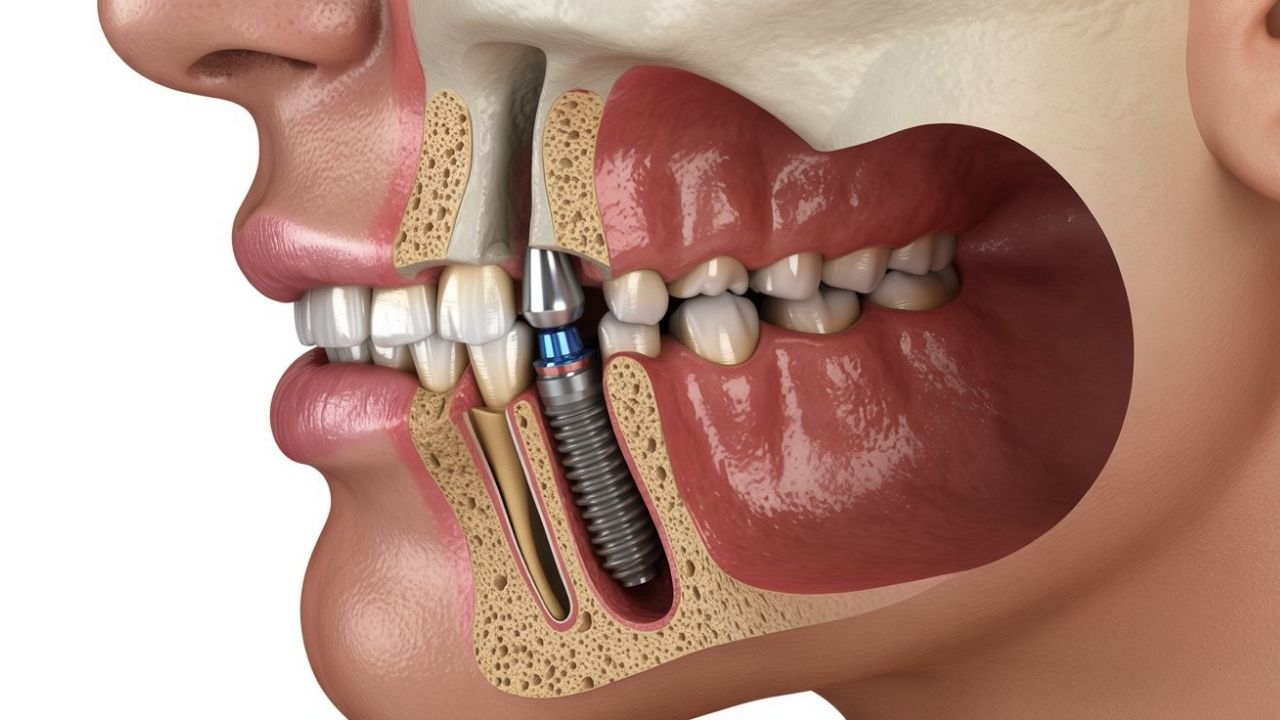
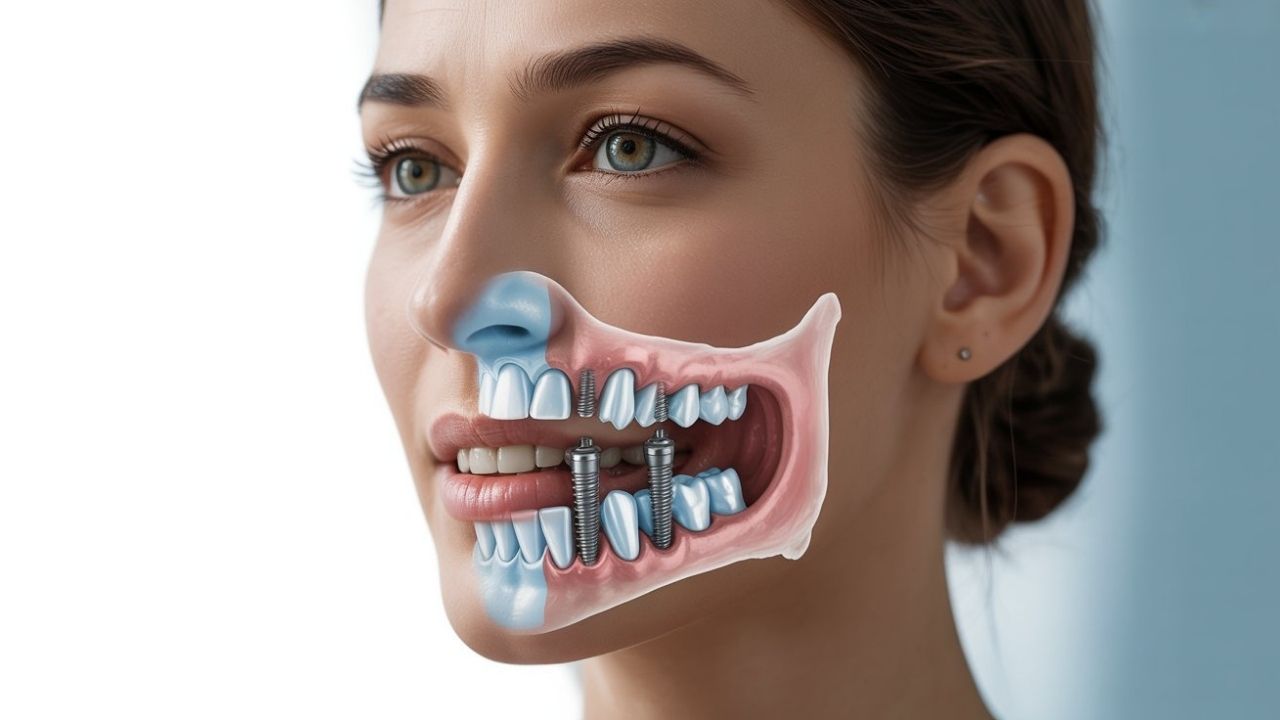
Bone criteria refer to measurable aspects of the upper jaw bone structure that influence zygoma implant suitability. These include height, width, and density of available bone in the posterior maxilla region.
Assessment usually begins with clinical examination and three-dimensional imaging. The goal is to identify whether sufficient bone remains for conventional implants or if alternative anchorage points are needed.
Key Factors in Upper Jaw Bone Structure Evaluation
Several elements of the upper jaw bone structure are reviewed during bone assessment:
- Residual alveolar bone height and width
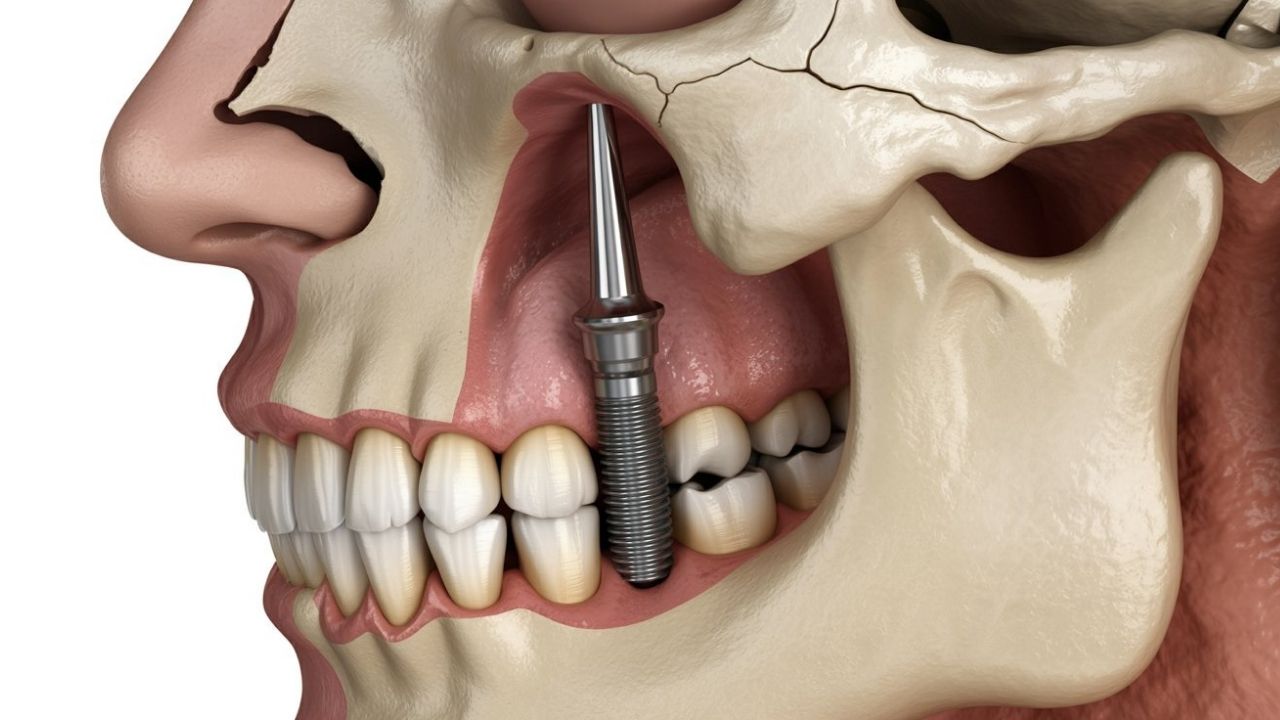
- Quality and density of the zygomatic bone
- Presence of sinus anatomy variations
- Overall bone volume after tooth loss or resorption
Each factor contributes to decisions about zygomatic implant candidates. Individual variations mean results differ from one person to another.
Bone Assessment Methods for Zygoma Implant Suitability
Modern bone assessment often combines cone-beam computed tomography with clinical findings. This combination allows visualization of both the maxilla and the zygomatic bone.
Measurements focus on the available bone corridor for implant placement. Soft tissue conditions and previous surgical history are also noted as part of the overall evaluation.
| Assessment Element | General Description |
|---|---|
| Bone Height | Measured in the posterior maxilla to determine conventional implant feasibility. |
| Bone Density | Evaluated in zygomatic region to support alternative anchorage. |
| Sinus Proximity | Reviewed to identify anatomical limitations or variations. |
| Resorption Pattern | Analyzed to classify severity of upper jaw bone loss. |
Who May Be Considered for Zygomatic Implant Candidates
Individuals with advanced bone loss in the upper jaw are sometimes discussed as zygomatic implant candidates. Suitability depends on the specific bone criteria outlined above.
General health status, medical history, and oral hygiene also play roles in preliminary discussions. No single measurement alone decides eligibility.
Limitations and Considerations in Bone Criteria Application
Bone criteria provide guidance but do not replace individualized assessment. Some patients may have bone structures that fall outside typical ranges yet still receive alternative treatment recommendations.
Imaging quality, patient positioning during scans, and interpreter experience can affect how bone assessment results are interpreted.
Sık Sorulan Sorular
What bone measurements are reviewed for zygomatic implant candidates?
Height, width, and density of the upper jaw bone structure are commonly examined. Additional attention is given to the zygomatic bone region during bone assessment.
How does upper jaw bone structure affect zygoma implant suitability?
Reduced bone volume in the posterior maxilla may limit standard implant options. In such cases, zygomatic implant candidates are evaluated using specific bone criteria to explore alternative support areas.
Is a minimum bone height required for zygomatic implant candidates?
No universal minimum exists because suitability varies. Bone assessment results guide whether zygoma implants represent a possible approach for the individual.
Can bone criteria alone determine zygoma implant suitability?
Bone criteria form one part of the evaluation. Medical history, sinus condition, and overall health also contribute to decisions about zygomatic implant candidates.
Are there alternatives when bone criteria are not met?
Other reconstructive options may be discussed depending on the findings of bone assessment. Each case requires separate professional review.
Why is three-dimensional imaging important in bone assessment?
Three-dimensional scans provide detailed views of the upper jaw bone structure and zygomatic region. This information helps clarify zygoma implant suitability more accurately.
Sonuç
Bone criteria for zygomatic implant candidates center on measurable features of the upper jaw bone structure. Bone assessment helps identify whether zygoma implant suitability may exist in cases of significant resorption. Final decisions always require personal clinical evaluation and imaging by a qualified professional.
Expert Information
This content is prepared for general informational purposes in the field of oral and maxillofacial surgery. Prof. Dr. Celal Çandırlı’s more than 20 years of professional experience and training at England NHS Poole Hospital and Newcastle Freeman Hospital support the scientific and clinical framing of the topic.
This content is for general informational purposes only and does not replace diagnosis or treatment. Consult a dentist or relevant specialist for any concerns regarding oral, dental, or jaw health.