Implants Without Bone Graft: What Are the Options?
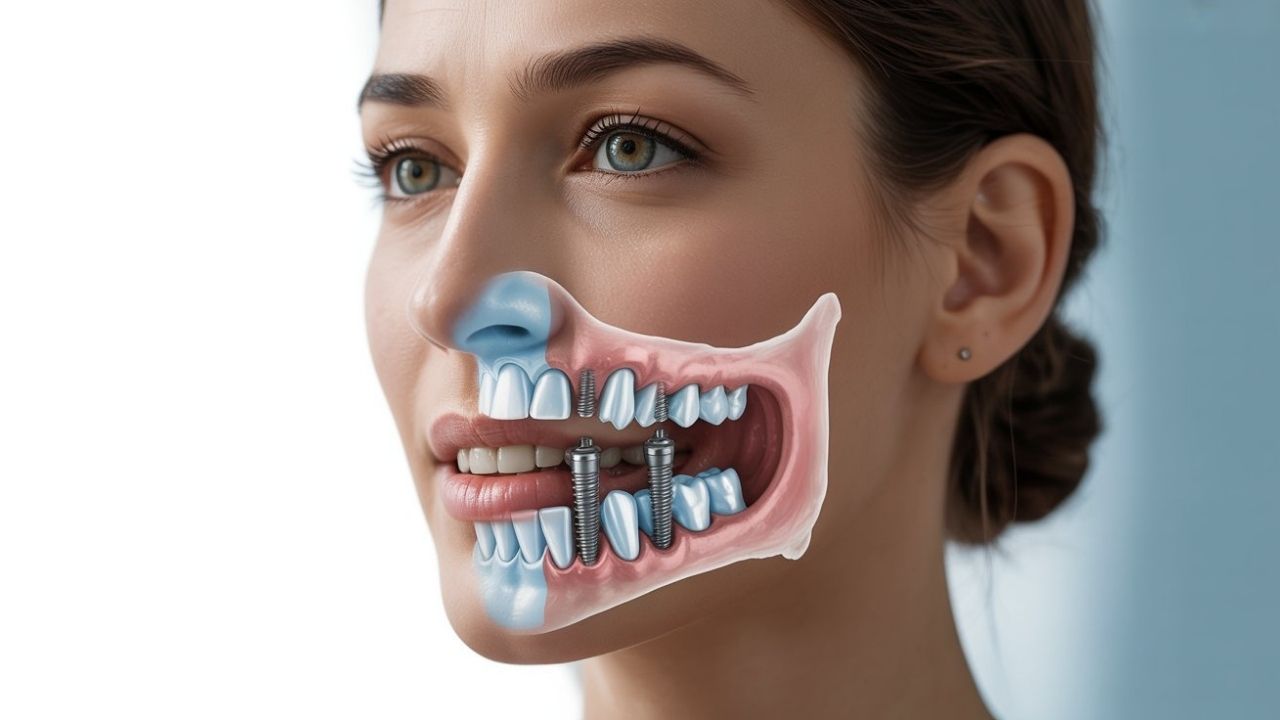
Implants without bone graft may be considered in certain cases of upper jaw bone loss when traditional approaches are not suitable. This article explores graftless implants and bone graft alternatives such as zygomatic implants that can sometimes provide support without additional bone procedures.
Upper jaw bone loss often occurs after tooth extraction, long-term denture use, or due to natural aging. Patients frequently ask whether dental implants remain possible without undergoing bone grafting. The answer depends on individual bone structure, overall health, and imaging results.
Understanding Upper Jaw Bone Loss
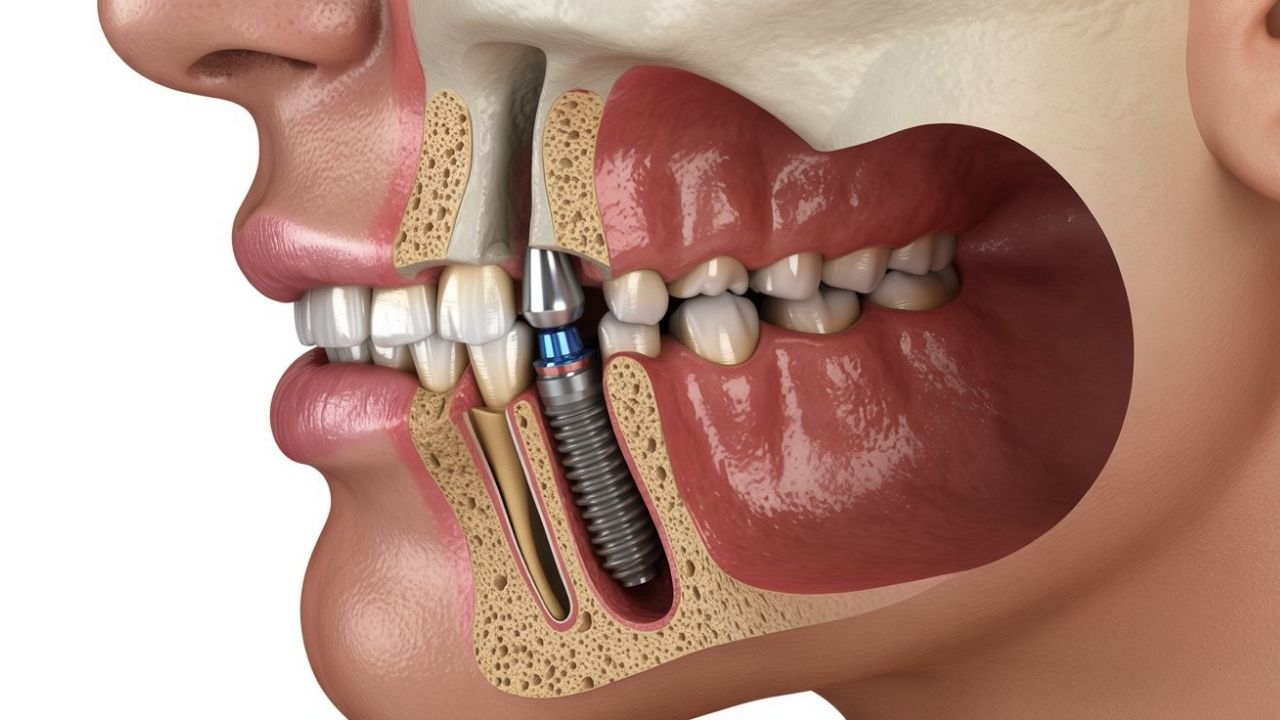
Significant bone resorption in the upper jaw can limit the placement of standard implants. In such situations, clinicians evaluate whether the remaining bone volume allows secure implant positioning or if alternative techniques should be considered.
Common causes include prolonged tooth absence, periodontal disease, and sinus expansion. Each case requires detailed three-dimensional imaging to assess available bone height and width.
Bone Graft Alternatives and Graftless Implants
Several approaches aim to avoid bone grafting while still achieving implant stability. These options are not suitable for every patient and require careful assessment.
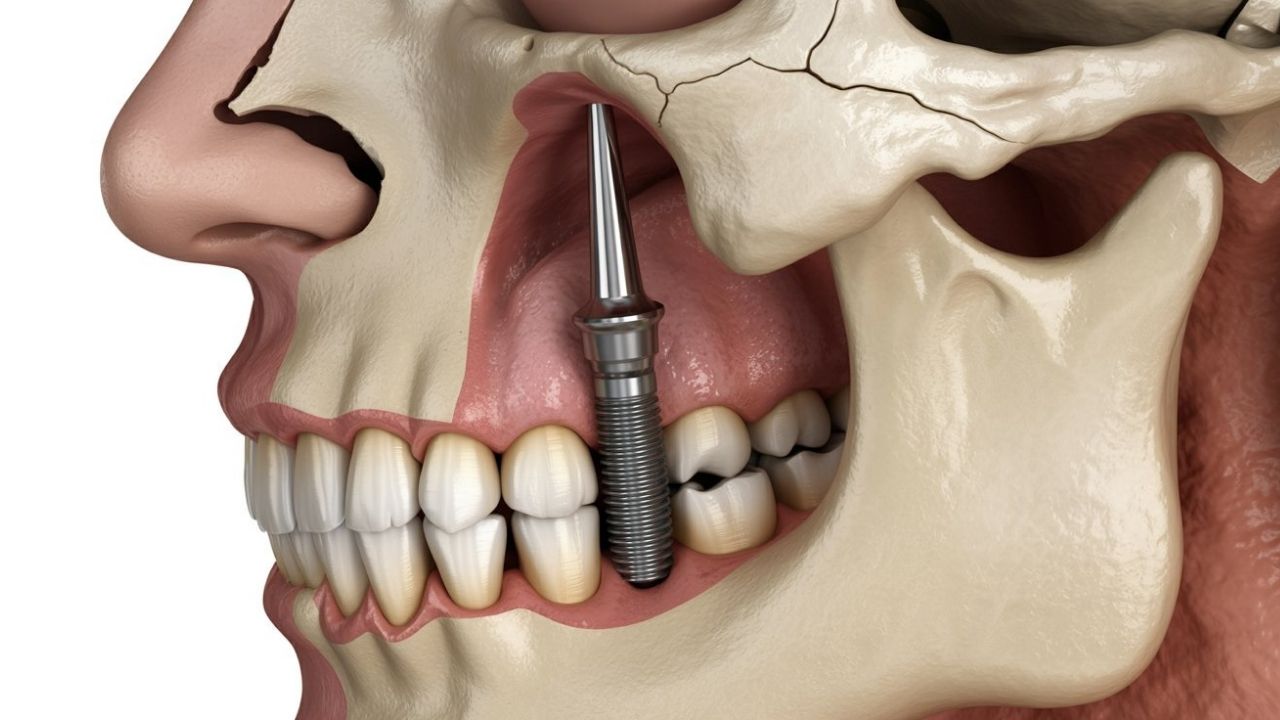
- Zygomatic implants anchored in the cheekbone to bypass upper jaw deficiencies.
- Short or tilted implants that use existing bone more efficiently.
- Pterygoid implants placed in the posterior maxilla region when anatomy permits.
These graftless implants can reduce treatment steps and healing time in selected cases, yet success still depends on precise planning and individual anatomy.
Zygomatic Implants as a Bone Graft Alternative
Zygomatic implants offer one established method for addressing severe upper jaw bone loss without grafting. They gain support from the denser zygomatic bone rather than the maxilla alone.
Placement involves advanced surgical planning and is typically performed under general anesthesia. Recovery varies, and patients should discuss potential swelling or temporary dietary changes with their surgeon.
| Aspect | Standard Implant with Graft | Graftless Options |
|---|---|---|
| Bone Requirement | Additional bone volume often needed | Uses existing structures like cheekbone |
| Treatment Stages | May include separate grafting surgery | Can combine steps in one procedure |
| Healing Time | Extended due to graft integration | Potentially shorter in suitable cases |
| Evaluation Needed | Clinical exam and 3D scans | Clinical exam and 3D scans |
Who Might Be Considered for Implants Without Bone Graft?
Patients with advanced upper jaw bone loss who wish to avoid grafting may be evaluated for zygomatic or other graftless implants. General health, sinus health, and oral hygiene also influence suitability.
Not every individual qualifies. Factors such as uncontrolled systemic conditions or insufficient cheekbone support can limit options. A thorough examination remains essential before any decision.
Considerations Before Proceeding
Before choosing implants without bone graft, the following points are commonly reviewed:
- Comprehensive medical history and current medications.
- Quality and quantity of remaining bone via CBCT imaging.
- Possible need for sinus evaluation or other preparatory steps.
- Post-operative care requirements and dietary adjustments.
Each patient’s situation differs, so personal assessment by a qualified professional is necessary.
Sık Sorulan Sorular
Can implants without bone graft work for everyone with upper jaw bone loss?
Implants without bone graft are not suitable for all patients. Suitability depends on remaining bone quality, sinus anatomy, and overall health, which can only be determined after clinical and radiographic evaluation.
How do zygomatic implants differ from conventional ones?
Zygomatic implants are longer and anchor in the cheekbone instead of the upper jaw. This approach can eliminate the need for bone grafting in selected cases of severe bone loss.
Is the recovery different with graftless implants?
Recovery experiences vary. Some patients report fewer surgical stages, yet swelling, bruising, and temporary diet changes may still occur. Individual healing times differ.
Are there risks associated with implants without bone graft?
As with any surgical procedure, risks such as infection, sinus complications, or implant failure exist. These should be discussed during the consultation based on personal findings.
Can short implants serve as a bone graft alternative?
Short or tilted implants sometimes allow placement without grafting when bone height is limited. Their use depends on specific bone measurements and loading requirements.
Will implants without bone graft look and function naturally?
With proper planning and restoration, many patients achieve functional and aesthetic results. Final outcomes depend on individual anatomy and prosthetic design.
Conclusion
Implants without bone graft, including zygomatic implants and other graftless approaches, can be considered for some individuals with upper jaw bone loss. However, the decision requires detailed clinical evaluation and imaging. Patients are encouraged to consult a qualified specialist to understand whether these options align with their specific situation.
Expert Information
This content is prepared for informational purposes in the field of oral, dental and maxillofacial surgery. Prof. Dr. Celal Çandırlı’s over 20 years of professional experience and training at England NHS Poole Hospital and Newcastle Freeman Hospital contribute to addressing the topic within a scientific and clinical framework.
This content is for general informational purposes only and does not replace professional medical advice. Individuals with concerns about oral health should consult a qualified dental or medical professional.