How Does Smoking Affect Zygomatic Implant Success?
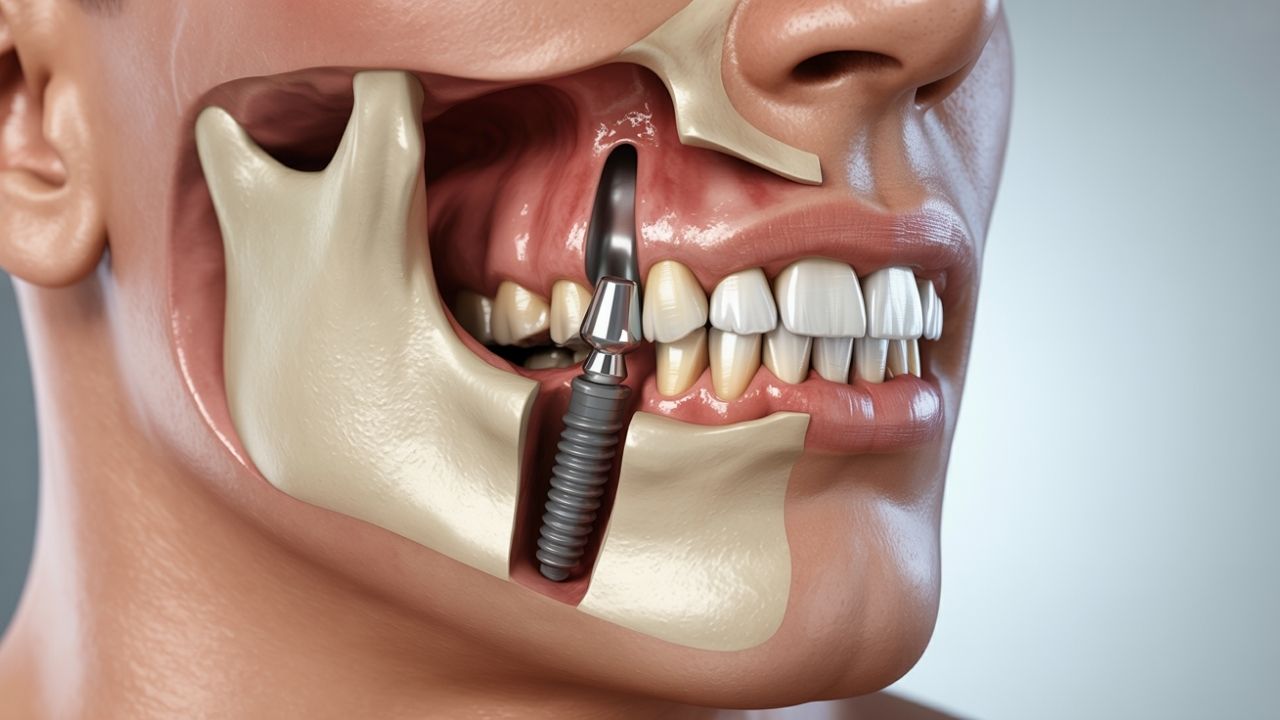
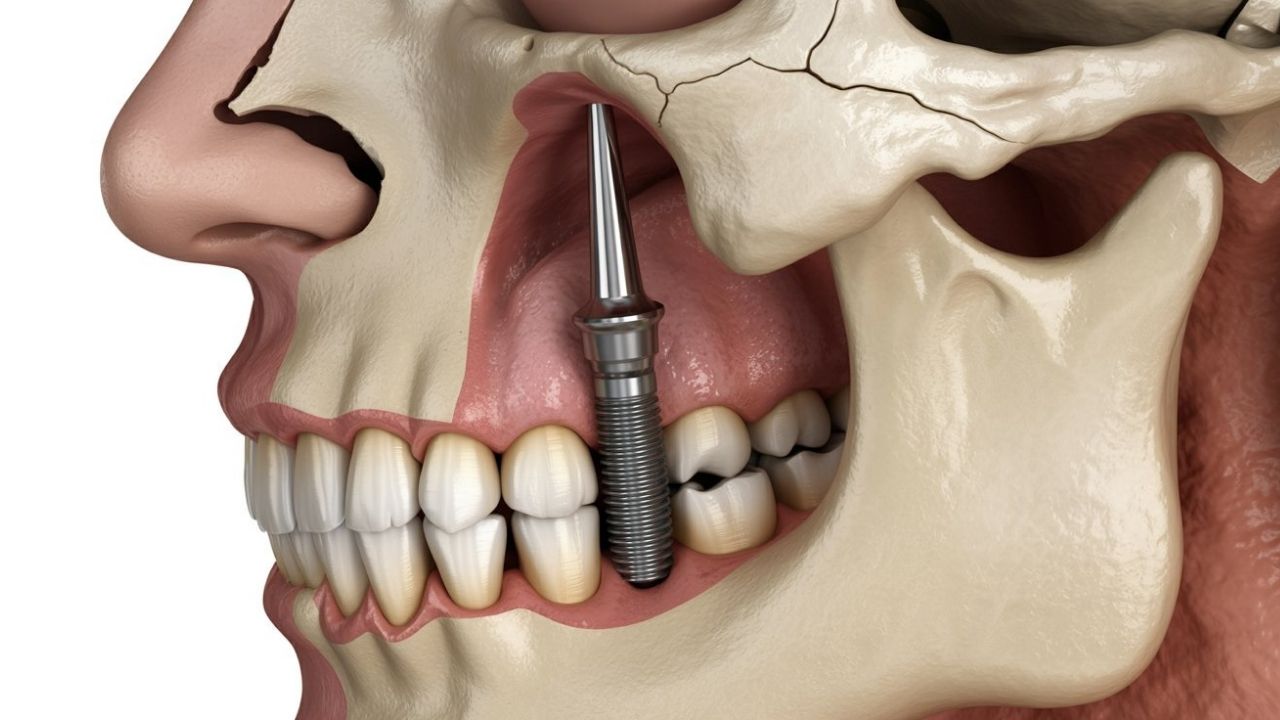
Smoking can influence the outcomes of zygomatic implant procedures in several ways. Zygomatic implants are considered when there is significant bone loss in the upper jaw, and they rely on the cheekbone for support. Understanding the potential effects of smoking helps patients make informed decisions before any surgical planning.
The process involves placing longer implants into the zygomatic bone to bypass areas of poor bone quality. Smoking introduces chemicals that may slow blood flow and impair tissue repair. This can extend healing times and raise the chance of complications during recovery.
This article explains the general relationship between smoking and zygomatic implants, outlines possible risks, and highlights why individual assessment remains essential.
General Effects of Smoking on Implant Healing
Smoking reduces oxygen delivery to tissues and can slow the body’s natural repair mechanisms. In implant cases, this may delay the integration of the implant with surrounding bone. Patients who smoke often experience longer recovery periods compared with non-smokers.
- Reduced blood circulation in the surgical area
- Increased risk of inflammation around the implant site
- Slower bone remodeling after placement
Zygomatic Implants and Smoking Risks
Zygomatic implant surgery involves deeper anatomical structures, so any factor that affects healing can have a noticeable impact. Smoking has been linked to higher rates of infection and implant loosening in some studies. The cheekbone area requires stable conditions for long-term success.
| Factor | Possible Influence of Smoking |
|---|---|
| Healing time | May be extended due to poorer circulation |
| Infection risk | Can increase because of reduced immune response |
| Bone integration | May occur more slowly or less predictably |
| Overall success | Reported lower rates in heavy smokers |
Why Personal Evaluation Matters
Every patient’s medical history, smoking habits, and bone structure differ. A thorough clinical examination and imaging help determine whether zygomatic implants remain a suitable option. Smoking cessation before surgery is frequently discussed during planning because it may improve tissue conditions.
Practical Considerations Before and After Surgery
Before the procedure, patients are usually asked about tobacco use and advised on its possible effects. After surgery, avoiding smoking during the initial healing phase is often recommended to support recovery. Follow-up visits allow the surgical team to monitor progress and address any concerns early.
Frequently Asked Questions
Does smoking always prevent zygomatic implant success?
Smoking does not automatically rule out zygomatic implants, but it can raise complication risks. Suitability depends on overall health, smoking frequency, and detailed imaging results.
How long before surgery should smoking stop?
Many surgeons suggest stopping several weeks prior to the procedure. Exact timing varies and should be discussed during the pre-operative consultation.
Can former smokers receive zygomatic implants?
Former smokers may have better healing potential than current smokers. Individual assessment still determines whether the procedure is appropriate.
What are the main smoking-related risks for zygoma implants?
Common concerns include delayed healing, higher infection rates, and possible implant instability. These factors are evaluated on a case-by-case basis.
Does smoking affect only the surgery or also long-term results?
Smoking can influence both initial healing and the long-term stability of zygomatic implants. Ongoing tobacco use may continue to affect tissue health around the implants.
Is there any safe level of smoking with zygomatic implants?
Even light smoking can interfere with healing. Complete cessation offers the most favorable environment for recovery and implant integration.
Conclusion
Smoking can affect multiple stages of the zygomatic implant process, from healing speed to long-term stability. While the procedure may still be considered for some smokers, thorough evaluation and lifestyle adjustments often improve outcomes. Personal consultation with a qualified specialist remains the best way to understand individual risks and options.
Expert Information
This content is prepared for general informational purposes in the field of oral and maxillofacial surgery. Prof. Dr. Celal Çandırlı’s more than 20 years of professional experience and training at England’s NHS Poole Hospital and Newcastle Freeman Hospital contribute to the scientific and clinical framing of the topic.
This content is for general informational purposes only and does not replace diagnosis or treatment. Consult a dentist or relevant specialist healthcare professional for any oral, dental, or jaw health concerns.