Is Upper Jaw Bone Loss an Obstacle for Dental Implants?
Upper jaw bone loss can create challenges for traditional dental implants in some patients. This condition often develops after tooth loss, long-term denture use or certain health factors that reduce bone volume in the upper jaw.
The following sections explain how bone loss affects implant suitability, which options may be considered and why a personal evaluation remains essential.
What Causes Upper Jaw Bone Loss?
Bone loss in the upper jaw may occur gradually after teeth are removed. Without natural tooth roots to stimulate the bone, the alveolar ridge can shrink over time.
Other contributing factors include advanced gum disease, trauma, sinus expansion and systemic conditions that affect bone density.
How Does Upper Jaw Bone Loss Influence Implant Suitability?
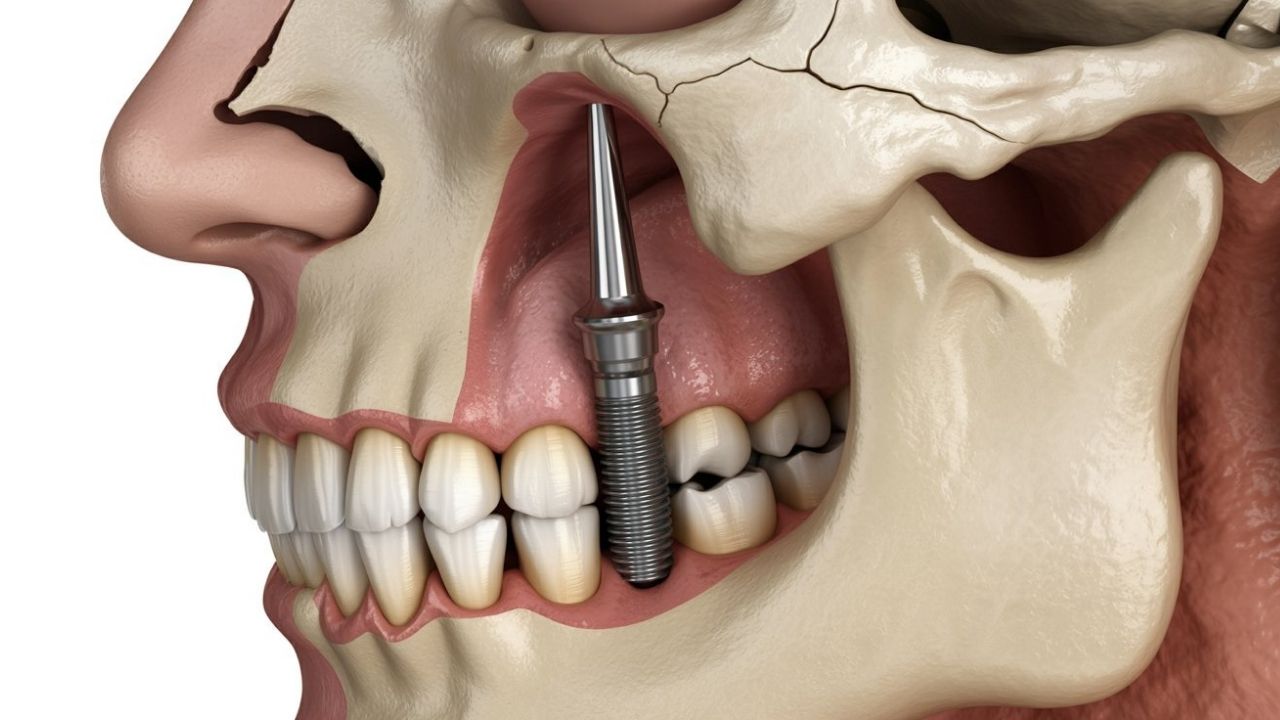
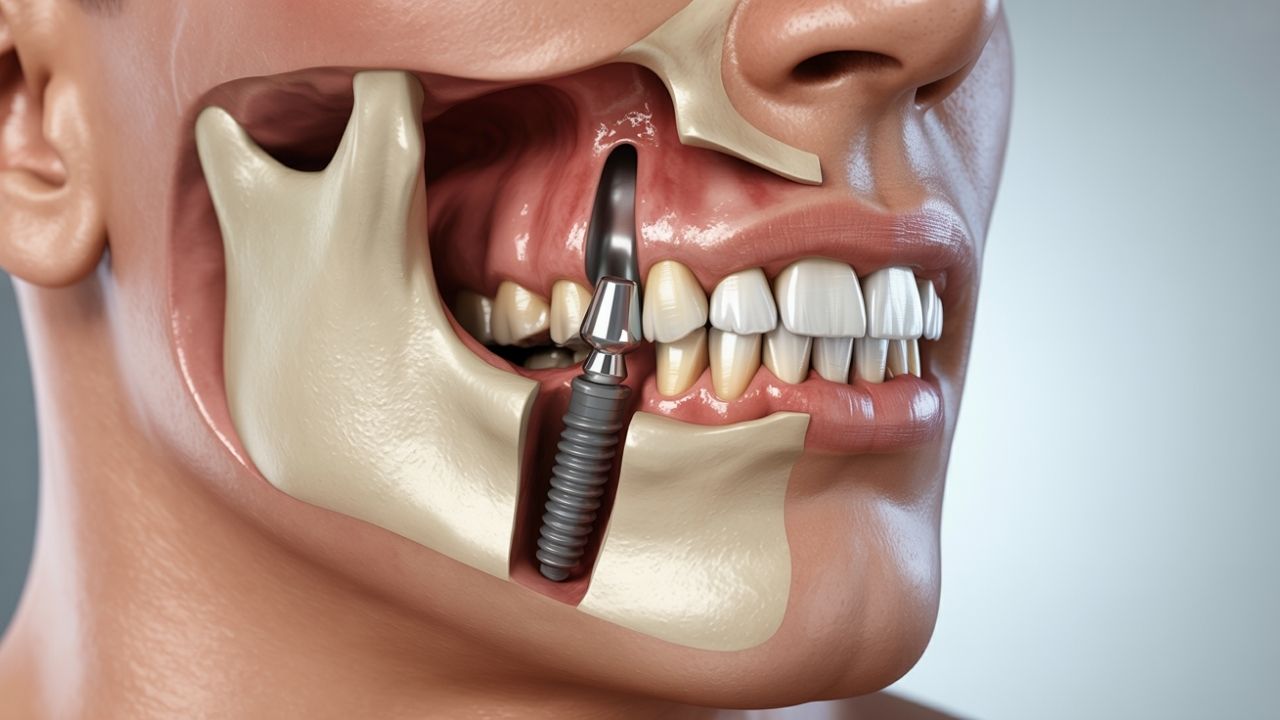
Standard implants require sufficient bone height and width for stability. When significant upper jaw bone loss is present, conventional placement may not be possible without additional procedures.
Implant suitability therefore depends on the amount of remaining bone, the location of the sinuses and the patient’s overall health status.
Which Treatment Options Can Be Evaluated?
- Bone grafting procedures to rebuild lost volume
- Sinus lift surgery to increase bone height
- Zygomatic implants that anchor in the cheekbone
- Short or angled implants designed for limited bone
Comparison of Common Approaches
| Approach | General Description |
|---|---|
| Bone Graft | May add volume but requires healing time before implant placement. |
| Sinus Lift | Can increase bone height in the posterior maxilla. |
| Zygomatic Implants | Anchor in the zygomatic bone when upper jaw bone loss is advanced. |
| Short Implants | Used in selected cases with moderate bone reduction. |
What Happens During the Evaluation Process?
A detailed clinical examination and three-dimensional imaging help assess bone quantity and quality. These steps allow the clinician to determine whether bone loss treatment or alternative implant techniques are appropriate.
Are There Any Limitations?
Not every patient with upper jaw bone loss is a candidate for the same method. General health, sinus anatomy and previous surgeries can influence planning. A thorough assessment is required before any decision.
Sık Sorulan Sorular
Can dental implants still be placed with upper jaw bone loss?
In many cases implants remain possible, but the approach may differ from standard placement and requires careful planning.
What is the role of zygomatic implants when bone loss is severe?
Zygomatic implants use the cheekbone for support and can be considered when the upper jaw lacks adequate bone for conventional implants.
Does bone grafting always work for upper jaw bone loss?
Bone grafting can increase volume in selected patients, yet success depends on individual healing capacity and the extent of the defect.
How long does the evaluation for implant suitability take?
The initial assessment usually involves one or two visits that include examination and imaging; final decisions are reached after all data are reviewed.
Are there risks associated with bone loss treatment?
Any surgical procedure carries potential risks such as infection or delayed healing; these are discussed during the consultation based on personal health factors.
Can upper jaw bone loss be prevented?
Maintaining oral hygiene and replacing missing teeth promptly may help slow further resorption, although some degree of change can still occur over time.
Sonuç
Upper jaw bone loss does not automatically rule out dental implants, yet it often changes the treatment pathway. Options such as bone grafting or zygomatic implants may be evaluated when conventional methods are not suitable. Only a detailed clinical and radiographic examination can clarify the most appropriate course for each individual.
Expert Information
This content is prepared for informational purposes in the field of oral, dental and maxillofacial surgery. Prof. Dr. Celal Çandırlı’s over 20 years of professional experience, training at England NHS Poole Hospital and Newcastle Freeman Hospital, contributes to addressing the topic within a scientific and clinical framework.
This content is for general informational purposes only and does not replace professional medical advice. Please consult a qualified healthcare provider for any dental or medical concerns.