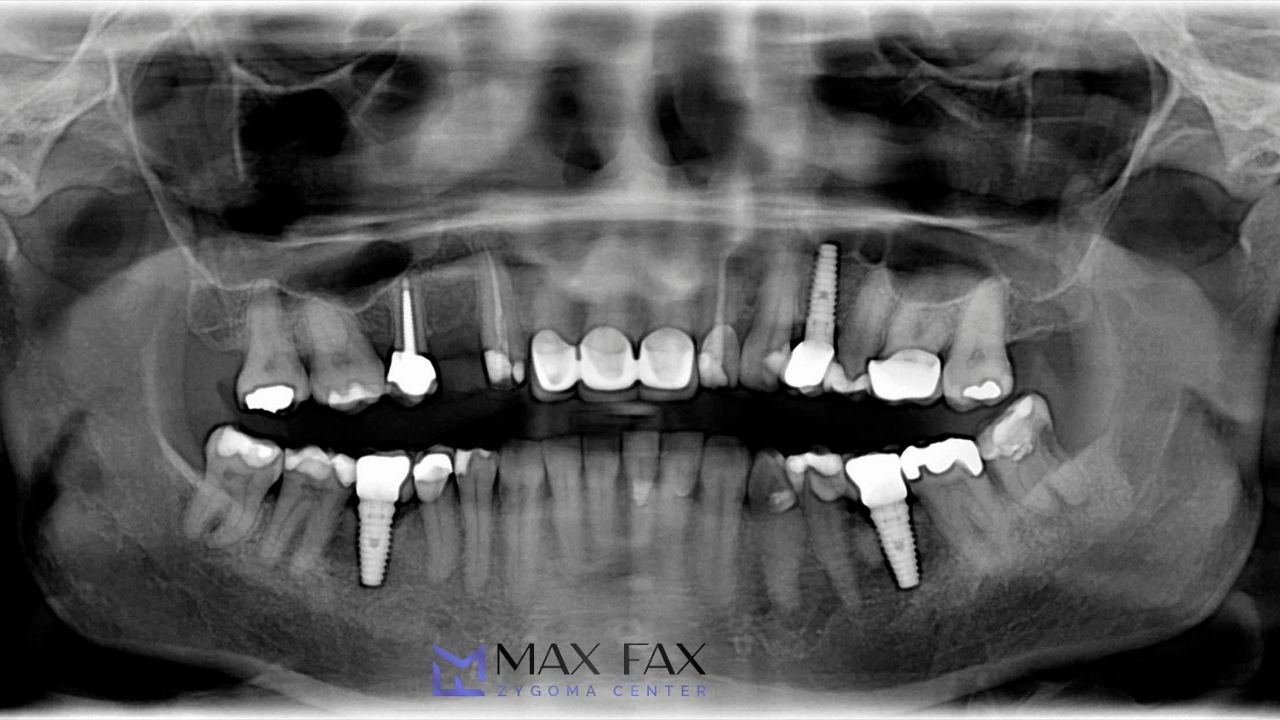
Jawbone density plays a crucial role in dental implant treatment. However, when it comes to zygomatic dental implants, the relationship becomes more complex and often more hopeful for patients with severe bone loss. Zygomatic implants are placed into the dense zygomatic (cheek) bone rather than the weakened upper jaw. This allows patients with insufficient maxillary bone density to still benefit from stable, long-term implant solutions. Understanding how jawbone density affects zygomatic dental implants helps patients and clinicians make safer, more confident treatment decisions.
What Is Jawbone Density?
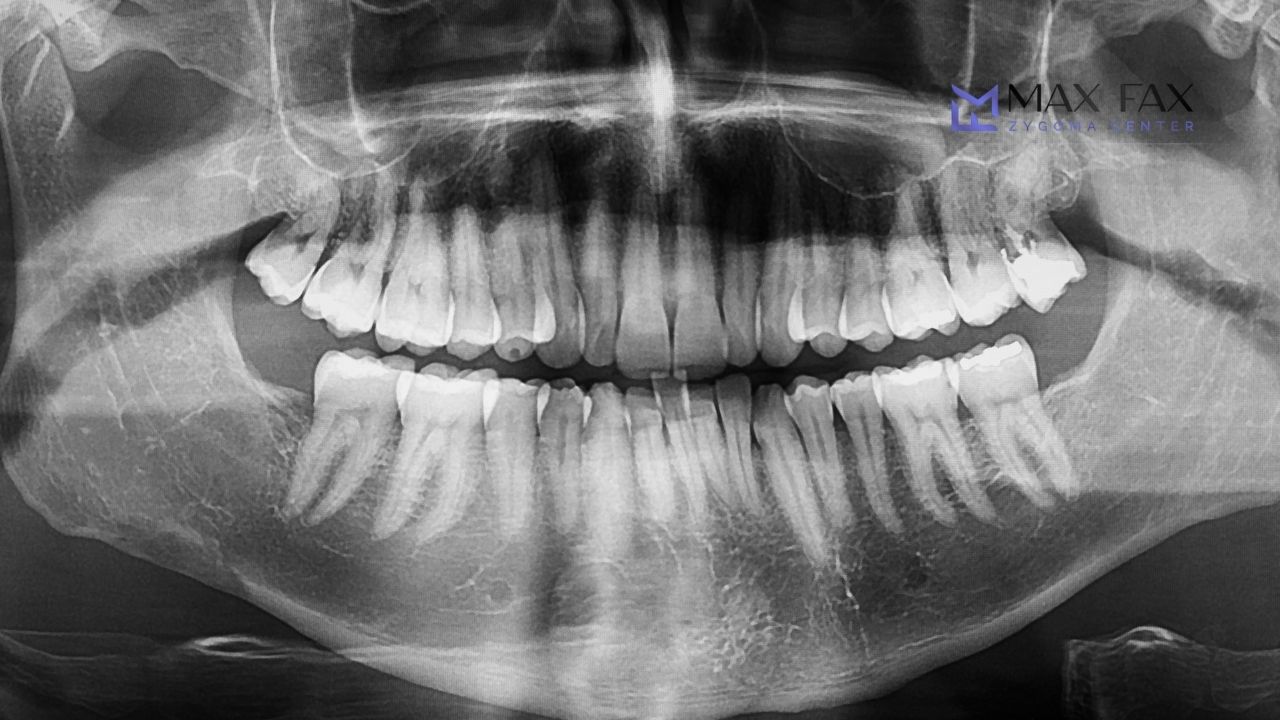
Jawbone density refers to how thick, strong, and mineral-rich the bone structure is. High-density bone provides firm anchorage for implants, while low-density bone may be softer and more fragile. Bone density naturally decreases over time, especially when teeth have been missing for many years, leading to resorption in the upper jaw. This is one of the main reasons traditional implants sometimes fail or require bone grafting.
Jawbone Density Classifications
Dentists often classify bone density into four main categories. D1 bone is extremely dense and strong, while D4 bone is very soft and porous. The upper jaw, especially in patients wearing dentures or suffering from gum disease, often shifts toward the weaker D3 or D4 range. This soft bone cannot always provide enough support for traditional implants.

How Zygomatic Dental Implants Work?
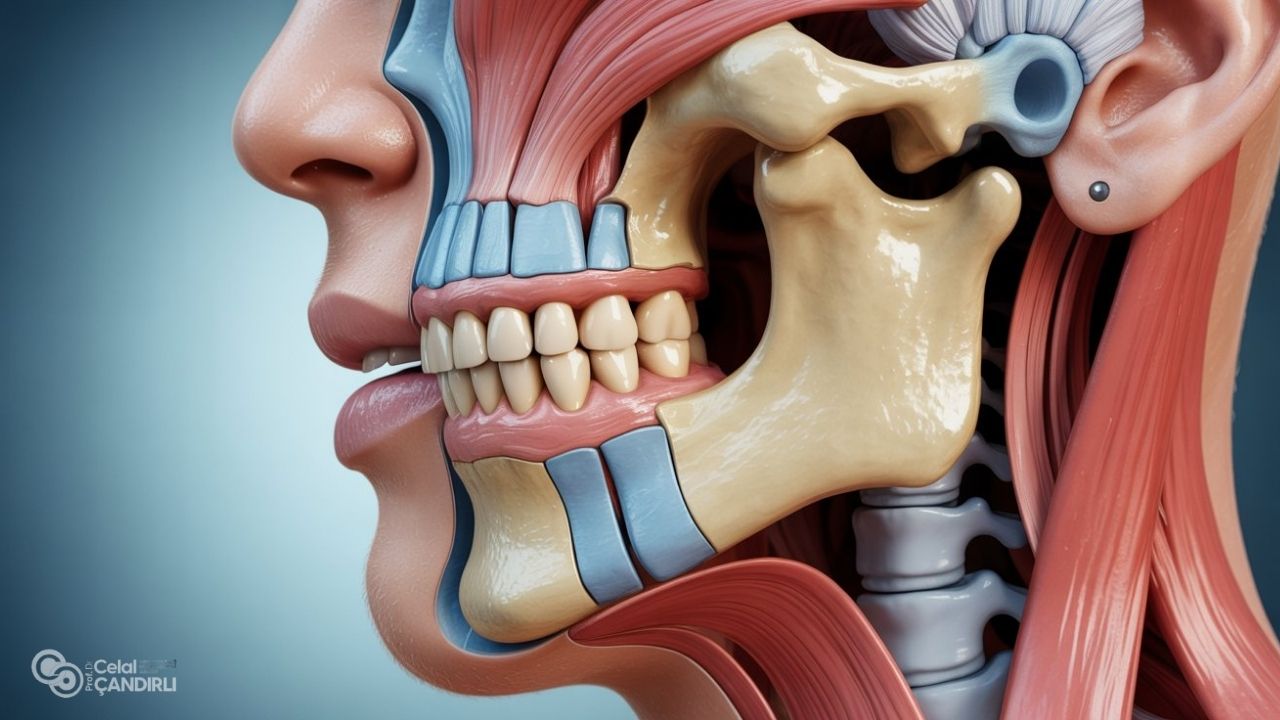
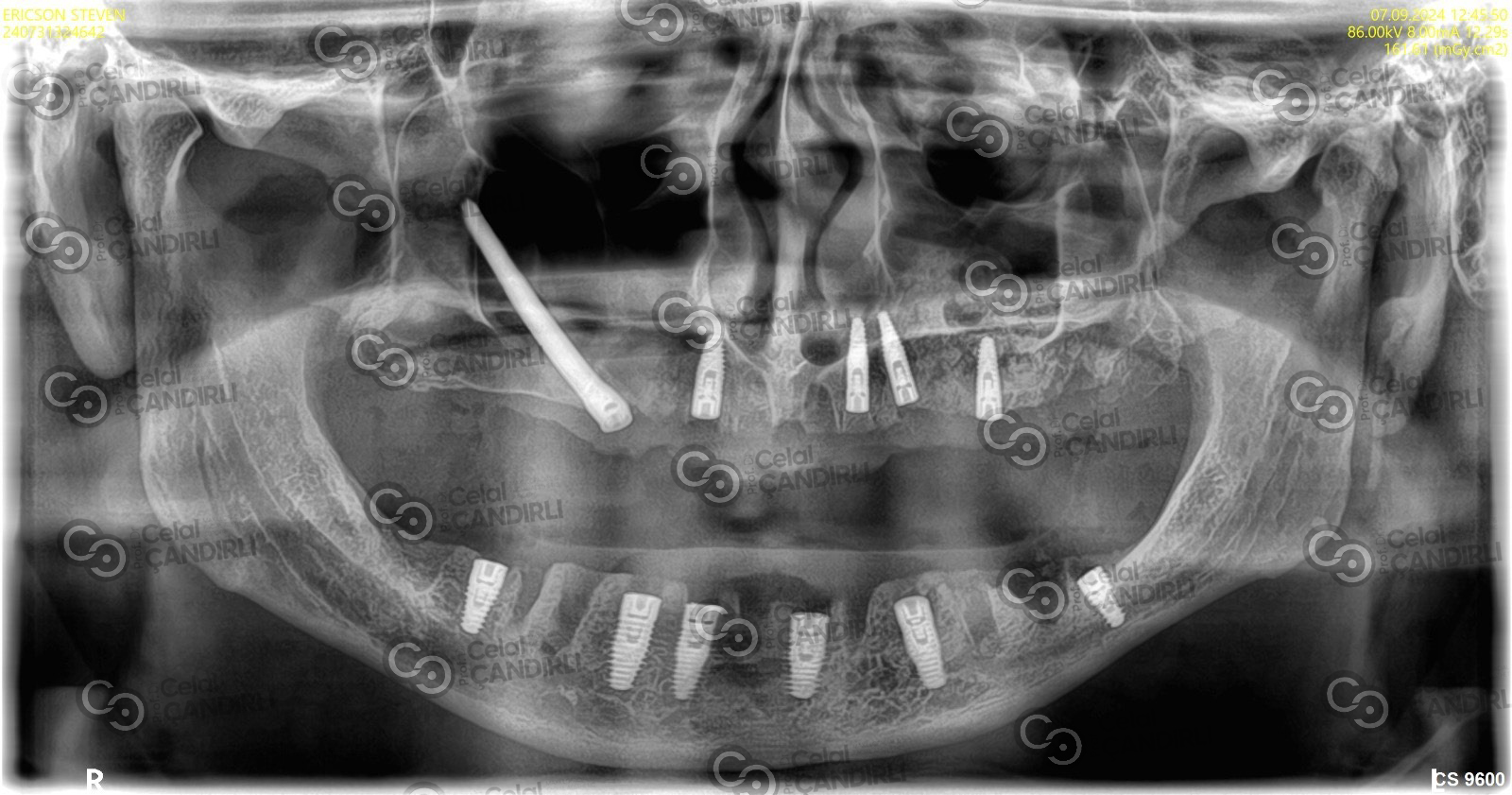
Zygomatic dental implants are longer than standard implants and extend from the upper gum area into the cheekbone. The zygomatic bone maintains density and stability even when the maxillary bone weakens. This makes it one of the strongest support structures in the face. By anchoring implants into this bone, patients can receive secure teeth without the need for sinus lifts or bone grafting in many cases.
Why the Cheekbone Is Ideal for Support
The zygomatic bone has naturally high bone density, excellent blood supply, and structural strength. Unlike the upper jaw, it does not significantly shrink after tooth loss. This is why zygomatic implants can remain secure for many years, even in patients with advanced maxillary bone resorption.
The Relationship Between Jawbone Density and Zygomatic Implants
Even though zygomatic implants are anchored in the cheekbone, jawbone density still matters. The implant passes through the upper jaw and interacts with surrounding tissues. Higher bone density in this region can improve overall stability. However, even when the bone is soft, the zygomatic anchor provides enough support to allow successful implant placement and long-term function.
Primary Stability and Load Distribution
Primary stability refers to how secure the implant is immediately after placement. Zygomatic implants gain this stability from the dense cheekbone. But the surrounding jawbone helps distribute bite pressure and stabilize prosthetic teeth. Therefore, surgeons carefully evaluate both maxillary and zygomatic bone density during planning.
When Low Jawbone Density Leads to Zygomatic Implant Recommendation
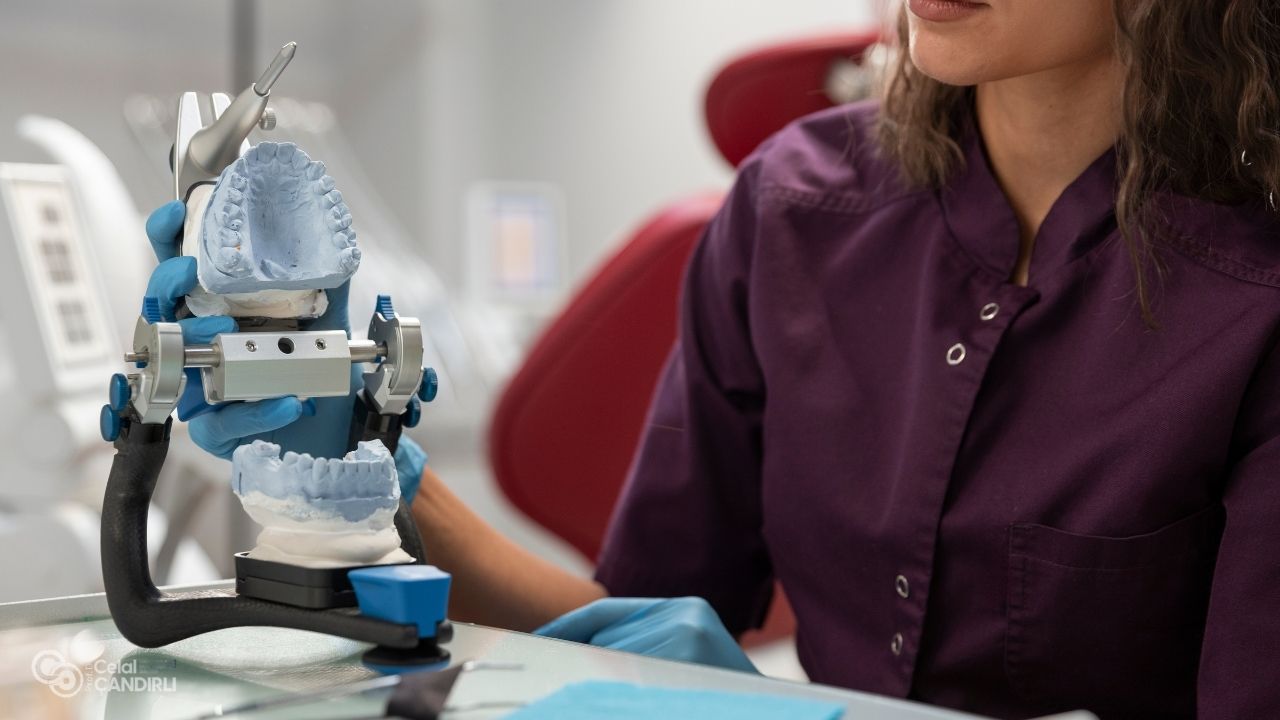
Zygomatic dental implants are often used when a patient does not have enough jawbone density for conventional implants. Many patients who once believed they had no options can now receive permanent teeth using this advanced technique. Severe bone resorption, prolonged denture use, sinus expansion, gum disease damage, and past implant failures are all common reasons to consider zygomatic implants.
Cases Where Zygomatic Implants Are Ideal
Patients who have worn dentures for many years often lose a significant portion of their upper jawbone. The bone becomes thin and spongy, making implant anchorage difficult. Zygomatic implants bypass this weakened bone and instead rely on the dense cheekbone, reducing the need for grafting procedures and shortening treatment time.
Evaluating Bone Density Before Surgery
Before placing zygomatic dental implants, surgeons use advanced imaging such as 3D CBCT scans. These scans reveal bone density levels, sinus anatomy, nerve position, and cheekbone structure. This precise evaluation ensures that implants are placed safely and accurately.
Bone Quality and Bone Quantity
Bone density refers to quality, while bone volume refers to quantity. Both are important. Many patients may have extremely low bone density and volume in the upper jaw, yet still possess excellent bone quality in the zygomatic region. This allows surgeons to successfully restore dental function without grafting.
Why Zygomatic Bone Density Supports High Success Rates
Clinical studies repeatedly show that zygomatic dental implants achieve high survival rates. This success is linked directly to the strength and density of the cheekbone. Because this bone remains thick and structurally strong throughout life, it provides firm anchorage for implants even in elderly or medically complex patients.
Immediate Loading Benefits
One major advantage of zygomatic implants is the possibility of immediate loading. This means fixed teeth may be placed shortly after implant surgery. The dense zygomatic bone allows secure anchorage, meaning patients can regain chewing ability and confidence quickly.
How Low Bone Density Affects Healing
Low bone density in the upper jaw may slightly change how the body heals around the implant. However, because the cheekbone is dense, the implant remains stable. Surgeons account for softer tissue healing by adjusting implant angles and prosthetic design to protect surrounding structures.
Soft Tissue Considerations
Healthy gums and soft tissue play a major role in healing. Patients with severe bone loss may also experience gum recession or thinning. Proper hygiene and follow-up care support long-term implant health and reduce inflammation risk.
Medical Factors That Influence Bone Density
Systemic conditions such as osteoporosis, diabetes, autoimmune disorders, and smoking may reduce bone density. However, even in these cases, the cheekbone often remains dense enough to support implants. This makes zygomatic implants one of the best options for patients with compromised jawbone density.
Age-Related Bone Loss
Bone density naturally declines with age. Women after menopause experience greater loss due to hormonal changes. Thankfully, the zygomatic bone maintains much of its density, meaning older patients can still safely receive implants when treated by experienced surgeons.
Improving Outcomes in Low Bone Density Patients
Surgeons tailor every treatment plan to bone quality findings. Implant angles, placement depth, and prosthetic design are carefully calculated to reduce pressure on weaker areas. High-strength prosthetic materials also help spread chewing forces, protecting the surrounding bone.
Importance of Maintenance
Patients should attend regular dental check-ups to ensure the health of their implants and surrounding tissues. Good oral hygiene habits further support long-term success, especially in individuals whose natural bone density was originally low.
Advantages of Zygomatic Implants for Low Bone Density Patients
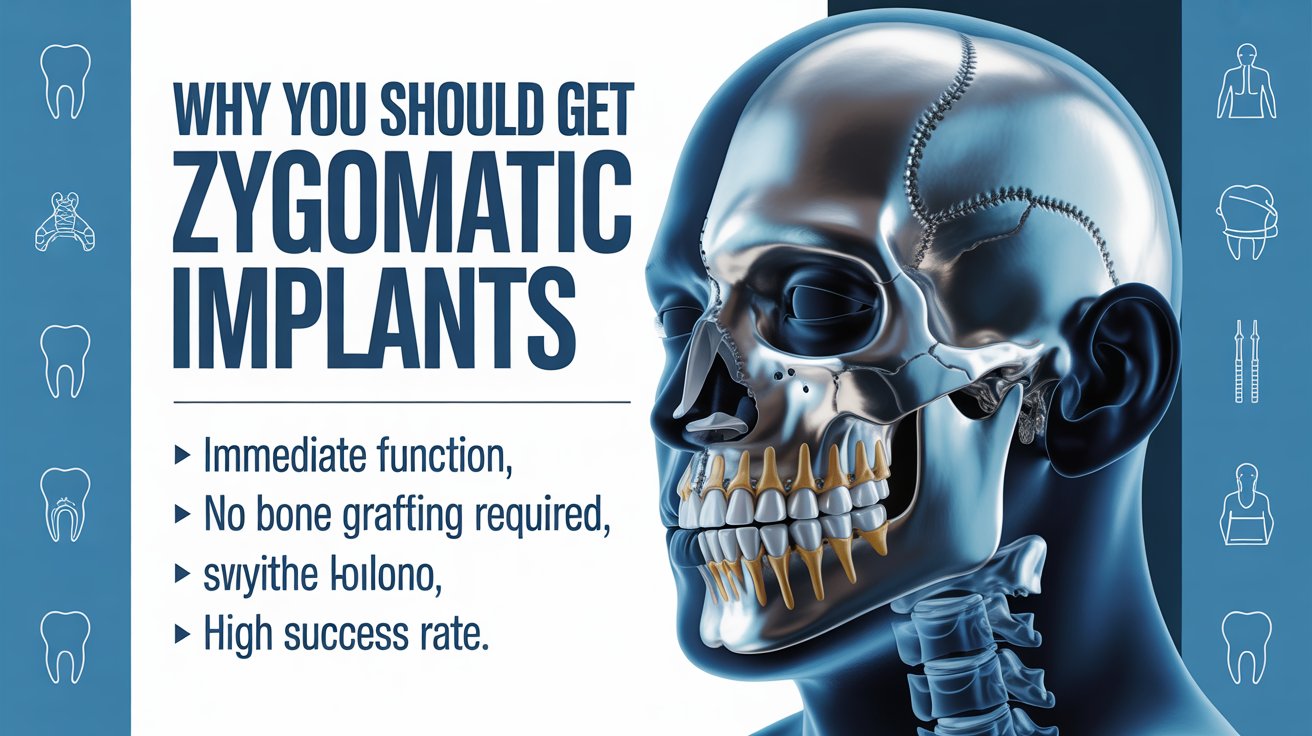
One of the greatest advantages of zygomatic implants is that they often eliminate the need for bone grafting or sinus lift surgery. This makes treatment faster, less invasive, and more predictable for many patients. They also allow fixed teeth to be placed sooner, helping restore speech, chewing, and self-confidence.
Transforming Untreatable Cases
Many patients once thought they were not candidates for dental implants. Zygomatic techniques now make permanent solutions possible, even in extreme bone loss cases. This innovation has significantly improved quality of life for thousands of people worldwide.
Potential Risks to Consider
Like all surgeries, zygomatic dental implants carry some risks. These may include soft tissue irritation, sinus complications, or prosthetic imbalance. However, these risks are minimized when the procedure is performed by a trained and experienced maxillofacial surgeon using modern imaging and planning tools.
Balancing Function and Protection
Surgeons focus on evenly distributing chewing forces to prevent stress on softer bone areas. When this balance is achieved, patients enjoy comfortable, stable, and long-lasting results.
Who Is the Ideal Candidate?
Ideal candidates include those with severe jawbone loss, failed previous implants, long-term denture wearers, or individuals with sinus expansion. Patients who have been told they lack sufficient jawbone density for conventional implants often benefit most from zygomatic solutions.
Comprehensive Evaluation Is Essential
Every case is unique. A detailed medical and dental assessment ensures that zygomatic implants are the safest and most effective option for each patient.
Frequently Asked Questions – Jawbone Density Matters
Jawbone density has always been a critical factor in implant dentistry. However, **zygomatic dental implants redefine what is possible**. By anchoring implants into the strong cheekbone, patients with even severe jawbone loss can enjoy fixed, stable teeth without extensive grafting. While bone density evaluation remains essential for safe planning, it no longer prevents patients from accessing life-changing implant treatment. With expert care, zygomatic dental implants offer one of the most secure and reliable solutions for restoring function, health, and confidence.
Does bone density affect dental implants?
Yes. Bone density is one of the most important factors affecting the stability and success of traditional dental implants. Implants need strong, healthy bone to fuse securely through a process called osseointegration. When bone density is low, the implant may not anchor properly, which can increase the risk of loosening or failure. This is why patients with severe bone loss are often recommended advanced solutions such as zygomatic dental implants that anchor into the denser cheekbone instead of the weakened upper jaw.
Can zygomatic implants be used for the lower jaw?
No. Zygomatic implants are specifically designed for the upper jaw because they anchor into the zygomatic (cheek) bone. The lower jaw does not have an equivalent structure suitable for this technique. For the lower jaw, other treatment options such as standard implants, bone grafting, or alternative implant systems are typically considered based on the level of bone loss.
What are the disadvantages of zygomatic implants?
Although highly effective, zygomatic implants are more complex than conventional implants and require specialized training and experience. Surgery times may be longer, and there may be a slightly higher risk of sinus-related complications or soft tissue irritation. Because the implants are longer and angled, prosthetic planning is also more technical. However, when performed by an experienced maxillofacial surgeon, complication rates are low and long-term success rates are high.
Do dental implants affect the jawline?
Dental implants can positively influence jawline structure by helping preserve bone volume. When teeth are missing, the jawbone gradually shrinks due to lack of stimulation. Implants restore this stimulation, reducing bone resorption. Over time, this can help maintain facial structure, prevent collapse of the upper lip or cheeks, and support a more youthful jawline appearance.
Who is a good candidate for zygomatic implants?
Good candidates include patients with severe upper jaw bone loss, failed bone grafts, multiple missing teeth, long-term denture use, or previous implant failure. Zygomatic implants are also suitable for individuals who want to avoid major grafting procedures and still achieve fixed teeth. A full medical and radiological evaluation is always required to determine suitability.
What is the 3/2 rule for dental implants?
The 3/2 rule is a clinical guideline suggesting that at least 3 mm of bone should surround every 2 mm of the implant diameter to ensure healthy integration. This concept highlights how important adequate bone support is for long-term implant success — especially in traditional implants placed in the maxilla or mandible.
What are the contraindications for zygomatic implants?
Contraindications may include uncontrolled systemic diseases, active sinus infections, untreated periodontal disease, poor oral hygiene, head and neck radiation history, or conditions that severely impair healing. Psychological readiness and realistic expectations are also important. Each case must be evaluated individually to determine whether the benefits outweigh the risks.
What I wish I knew before dental implants?
Many patients say they wish they had known how important bone health, oral hygiene, and long-term maintenance are before starting implant treatment. Dental implants are long-lasting but still require professional cleaning, regular check-ups, and excellent home care. Patients also often say they wish they had understood the range of treatment options available — including zygomatic implants — especially in cases of severe bone loss.
What is the alternative to zygomatic implants?
Alternatives may include bone grafting with traditional implants, sinus lift procedures, pterygoid implants, or removable dentures. However, these alternatives may require longer healing times or may not be suitable for patients with extreme bone loss. Zygomatic implants are often chosen because they eliminate the need for large grafting procedures while still providing fixed, stable teeth.