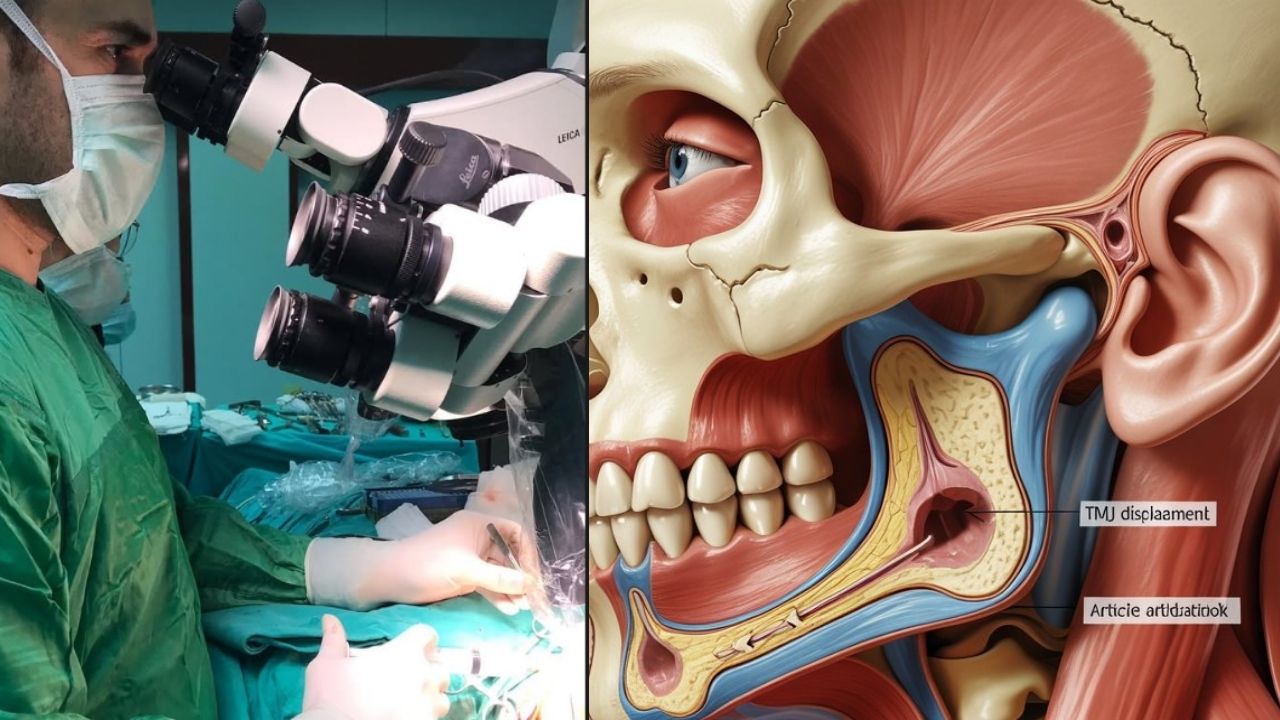
What is the Key Details Behind the 3/2 Rule for Implant Placement?
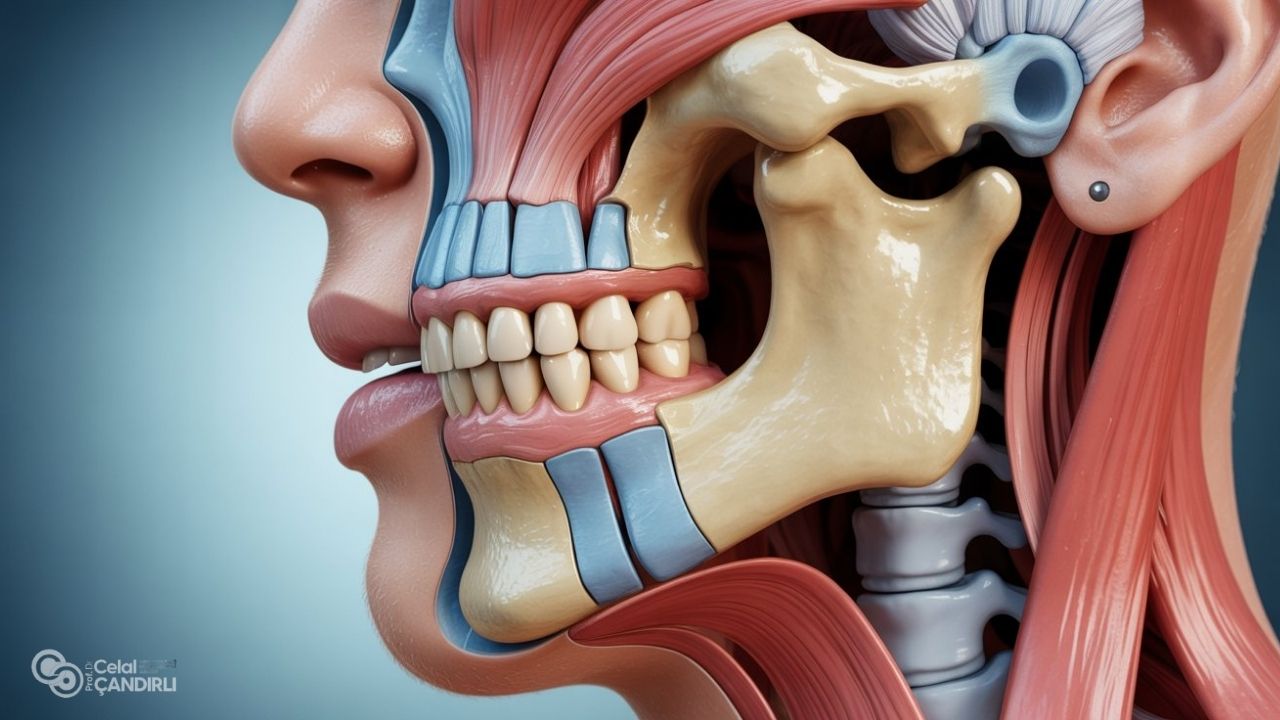
In its simplest form, the 3/2 rule for implant placement states that the visible crown portion of an implant-supported restoration should not exceed three times the height of the implant that is anchored in bone. In other words, for every 2 mm of implant emerging above bone, a maximum of 3 mm of prosthetic crown height is recommended. By respecting this proportion, the 3/2 rule for implant placement helps minimize excessive leverage and torque forces acting on the implant body, abutment, prosthetic screw, and surrounding bone tissue.
The 3/2 rule for implant placement is particularly relevant in situations where implant length is limited, such as when there is bone resorption in posterior maxilla cases or when anatomical structures like the sinus cavity restrict implant positioning. Maintaining proper proportions through the 3/2 rule for implant placement provides a biomechanical safety buffer that reduces overload on the supporting tissues.
Why the 3/2 Rule Matters?
Dental implants rely on osseointegration to remain stable. However, when the prosthetic crown becomes excessively long relative to the implant body, the forces generated during chewing increase dramatically. The 3/2 rule for implant placement helps limit these forces by reducing the vertical leverage effect. Long crowns that violate the 3/2 rule for implant placement may cause crestal bone loss, screw loosening, mechanical fractures, marginal inflammation, or even implant failure.
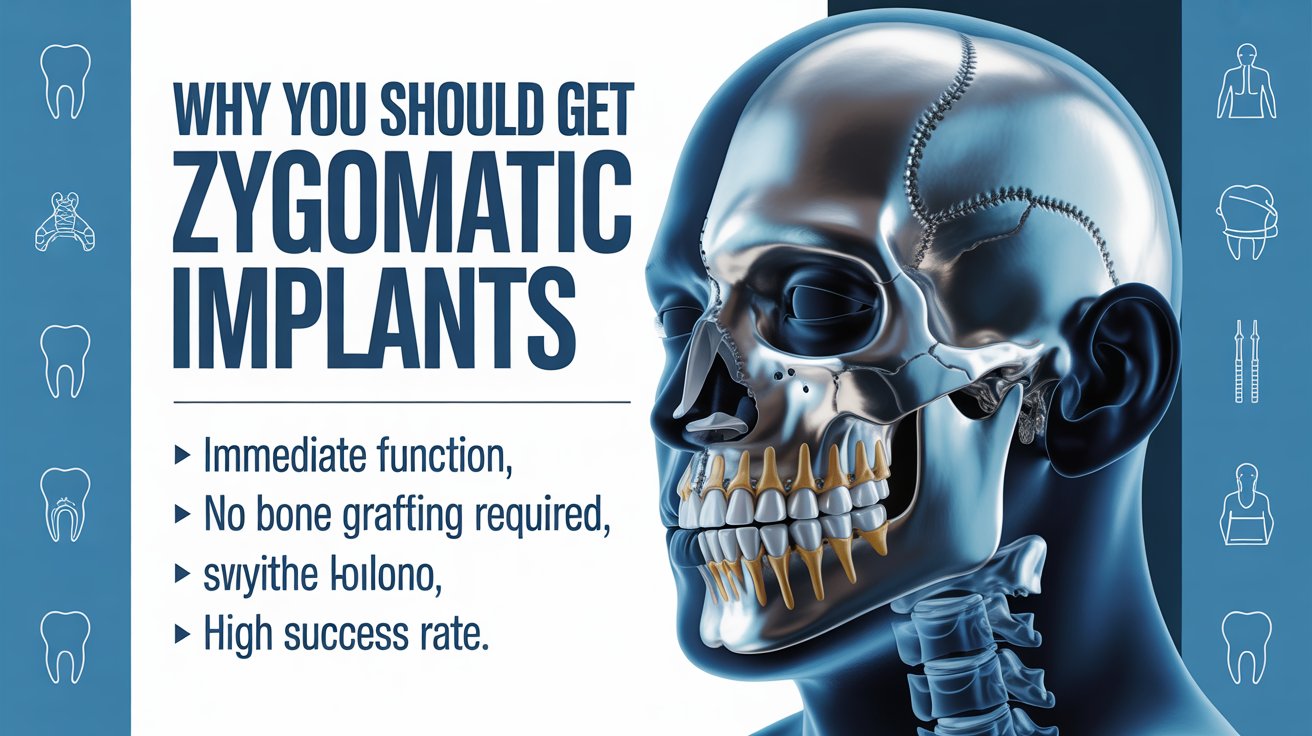
By applying the 3/2 rule for implant placement, clinicians reduce strain on the peri-implant bone and soft tissues, leading to improved implant survival rates. This biomechanical control is essential in both conventional and zygomatic implant cases, where forces transmitted to the facial skeleton must be carefully managed.
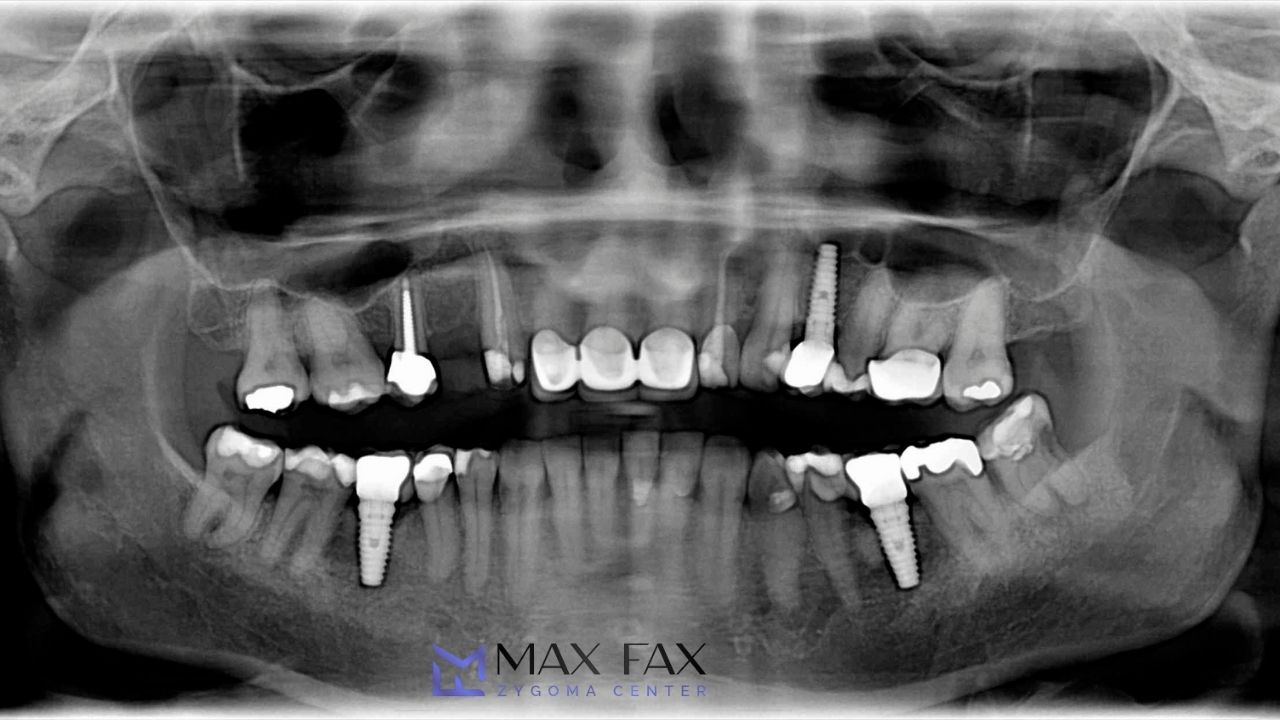 How the 3/2 Rule Is Applied Clinically?
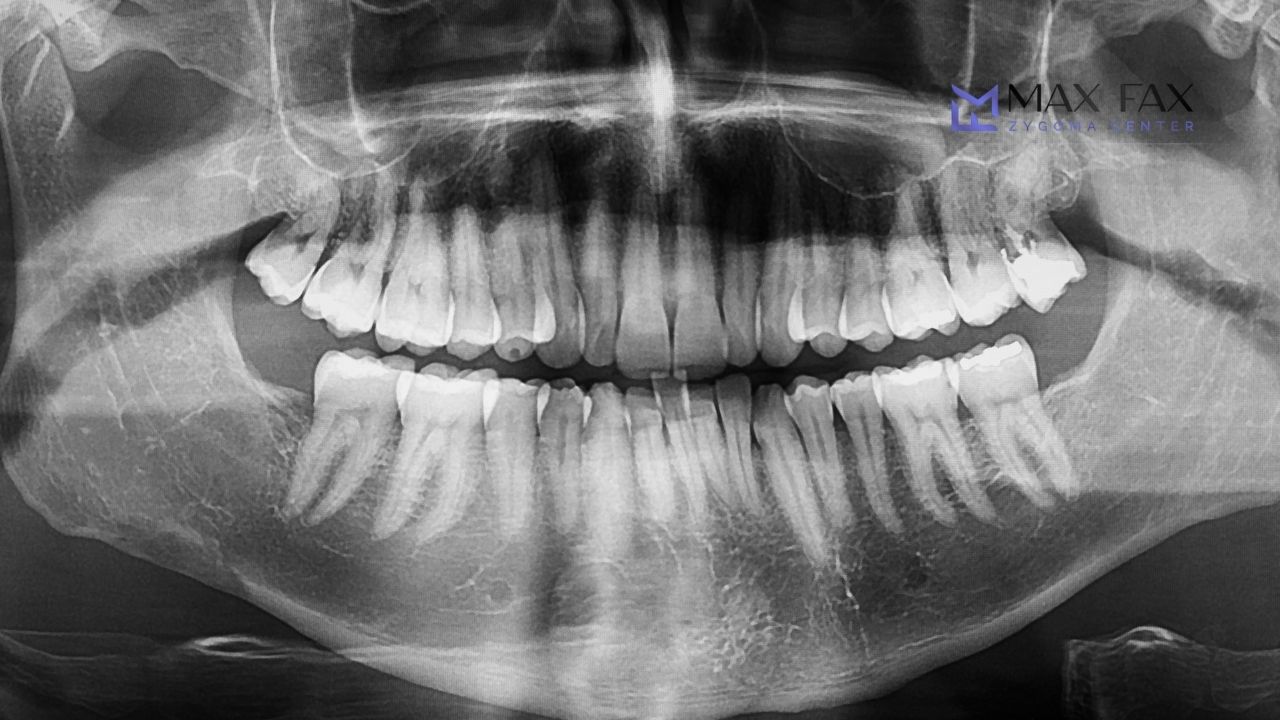
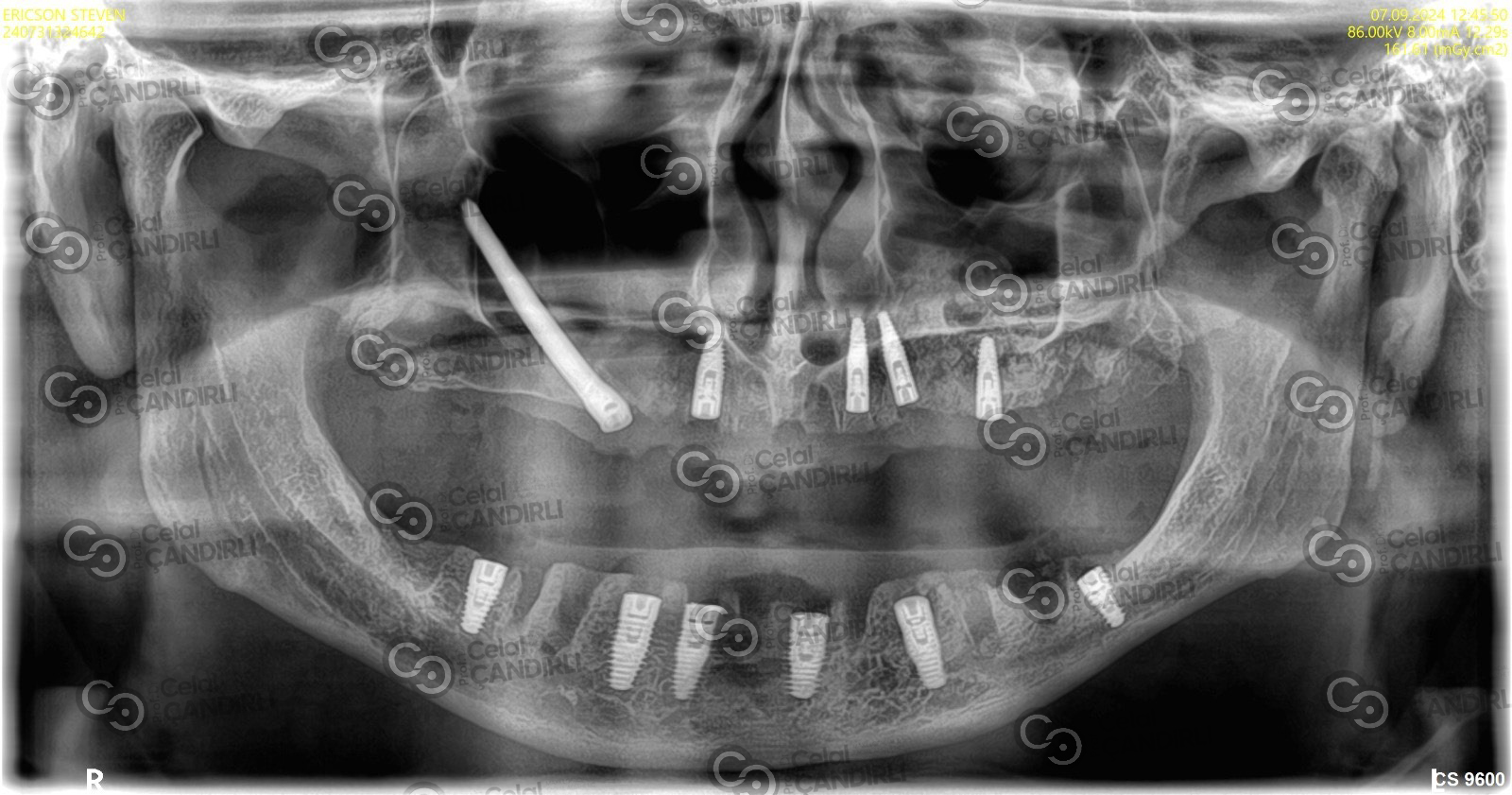
During treatment planning, the 3/2 rule for implant placement is considered alongside factors such as bone volume, density, occlusion, facial profile, bite forces, and aesthetic expectations. Advanced imaging, including CBCT scans, allows surgeons like Prof. Dr. Celal Çandırlı to assess whether the 3/2 rule for implant placement can be achieved or whether bone augmentation, sinus lifting, or alternative implant selection is required.
In anterior regions, the 3/2 rule for implant placement also contributes to esthetic predictability. Proper crown-to-implant ratios create natural emergence profiles and help protect soft-tissue contours. Posteriorly, where bite forces are highest, the 3/2 rule for implant placement helps ensure structural endurance.
Benefits of Following the 3/2 Rule for Implant Placement
- Balanced load distribution to peri-implant bone
- Improved long-term implant stability
- Reduced prosthetic complications
- More predictable soft-tissue support
- Enhanced chewing efficiency and comfort
- Lower risk of mechanical failure
For patients, this means that the 3/2 rule for implant placement contributes to longer-lasting, more natural-feeling dental restorations. For surgeons, it serves as an evidence-based reference point when determining implant selection and placement depth.
Where the Rule Is Especially Important?
The 3/2 rule for implant placement is especially valuable when bone height is reduced, when implants replace posterior molars with high occlusal load, when treating bruxism patients, and when immediate implant placement is considered following extraction. In zygomatic implant cases, although the anchorage location differs, the principle behind the 3/2 rule for implant placement remains important as clinicians aim to reduce excessive leverage forces.
Limitations of the 3/2 Rule for
Although the 3/2 rule for implant placement is an excellent guideline, it must not be interpreted in isolation. Clinical reality requires flexibility. Factors such as implant diameter, surface design, occlusal scheme, prosthetic material, parafunctional habits, patient bone quality, and overall medical status all influence success. Sometimes the 3/2 rule for implant placement cannot be perfectly achieved, and in such cases, expert judgment becomes essential.
This is why the 3/2 rule for implant placement should be combined with scientific experience, advanced surgical techniques, and high-quality prosthetic design — all of which are core principles at MaxFax Zygoma Center under the leadership of Prof. Dr. Celal Çandırlı.

The Role of Expertise in Applying the Rule for Implant Placement?
Correctly implementing the 3/2 rule for implant placement requires deep understanding of anatomy, occlusion, bone biology, facial aesthetics, and biomechanics. Prof. Dr. Celal Çandırlı integrates the 3/2 rule for implant placement within a holistic treatment philosophy that prioritizes safety, precision, minimally invasive surgery where possible, and functional longevity.
Each patient receives an individualized plan where the 3/2 rule for implant placement is evaluated together with jaw structure, facial symmetry, and chewing dynamics. This modern, detail-oriented approach ensures that implant therapy is not only successful but also comfortable and aesthetically harmonious.
Why the 3/2 Rule Still Matters Today?
The 3/2 rule for implant placement remains a highly valuable guideline in modern implant dentistry. By maintaining healthy proportions between the implant fixture and prosthetic crown, the 3/2 rule for implant placement helps protect bone health, reduce mechanical stress, and support long-term implant survival. When combined with advanced technology and surgical expertise — as practiced by Prof. Dr. Celal Çandırlı at MaxFax Zygoma Center — the 3/2 rule for implant placement becomes a powerful tool for achieving predictable, stable, and natural-looking implant results.
If you would like to learn more about the 3/2 rule for implant placement or discover whether dental or zygomatic implants are suitable for you, you are welcome to contact our clinic for a professional consultation and personalized treatment plan.