The lifespan of zygomatic implants is among the most frequently researched topics within advanced implant treatments. These specialized implants, which are anchored into the cheekbone, offer a significant long-term usage advantage due to the high bone density of the zygomatic bone. With proper patient selection and an expert surgical approach, the survival of zygomatic implants can remain stable for many years.
Clinical experience shows that when regular maintenance and follow-up visits are prioritized, zygomatic implant systems provide highly satisfactory results both functionally and aesthetically. Therefore, the longevity of zygomatic implants should be evaluated not only based on the implant itself but also by considering every stage of the treatment process as a whole.
Is the Lifespan of Zygomatic Implants Long?
The lifespan of zygomatic implants is generally considered longer compared to conventional dental implants. The primary reason for this is the dense and robust structure of the cheekbone where the implant is anchored. This bone quality allows the implant to better withstand masticatory forces.
According to expert opinions, in appropriately selected cases, the lifespan of zygomatic implants may exceed 20 years. Surgical expertise, the quality of the implant materials used, and the patient’s oral hygiene habits all play a crucial role in determining this duration. Additionally, when evaluating zygomatic implant costs during treatment planning, the long-term usage advantage should also be taken into consideration.
Key factors affecting implant longevity include:
- Accuracy of surgical planning
- Quality of the implant material
- Attention to oral hygiene
- Regular dental check-ups
What Is a Zygomatic Implant?
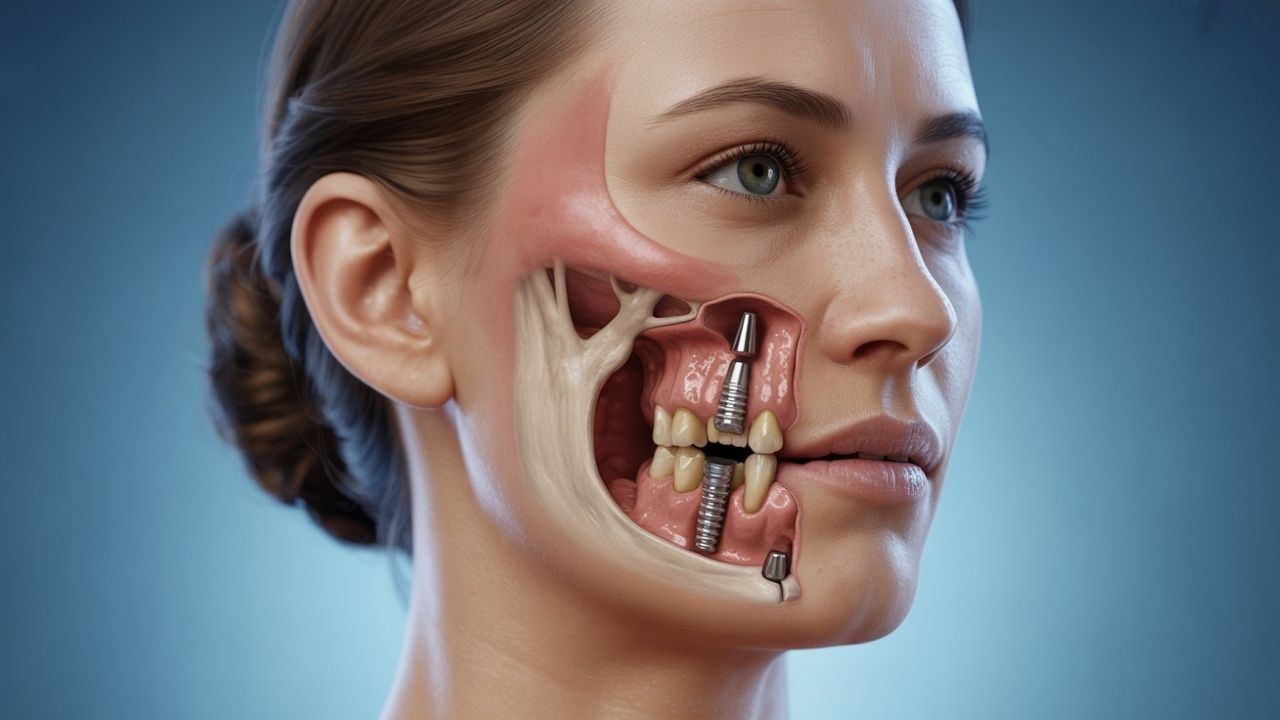
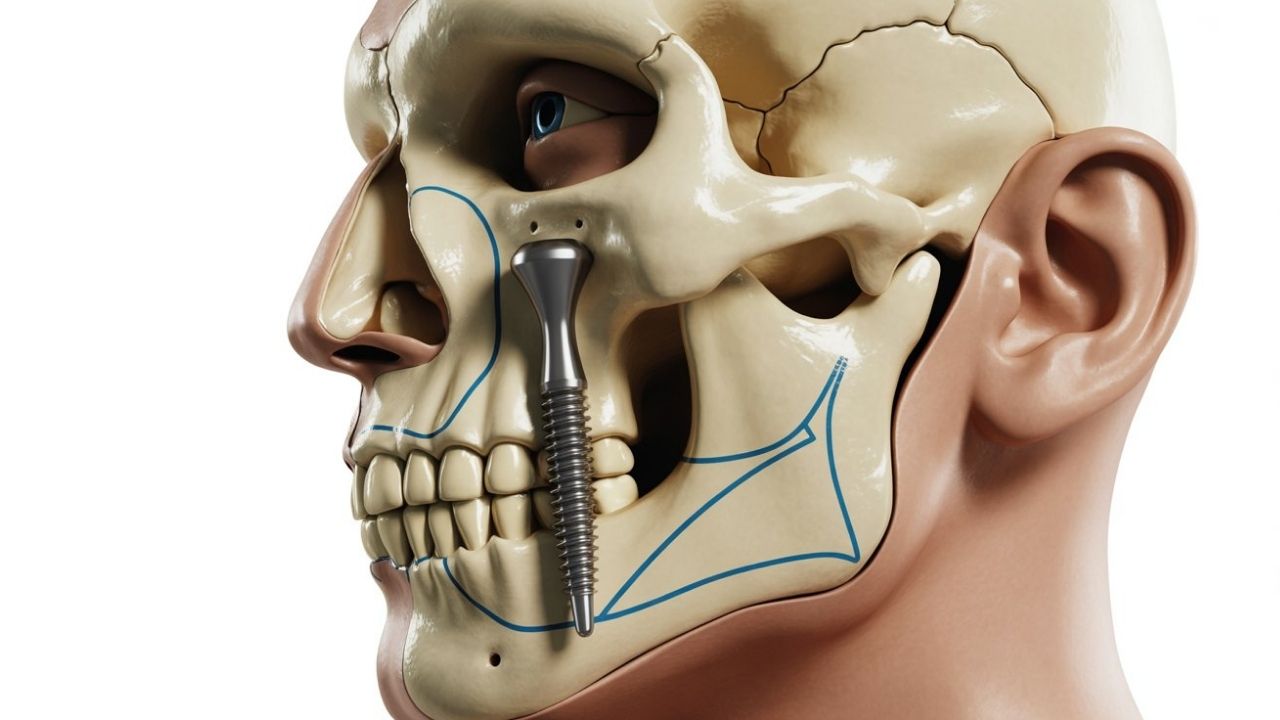
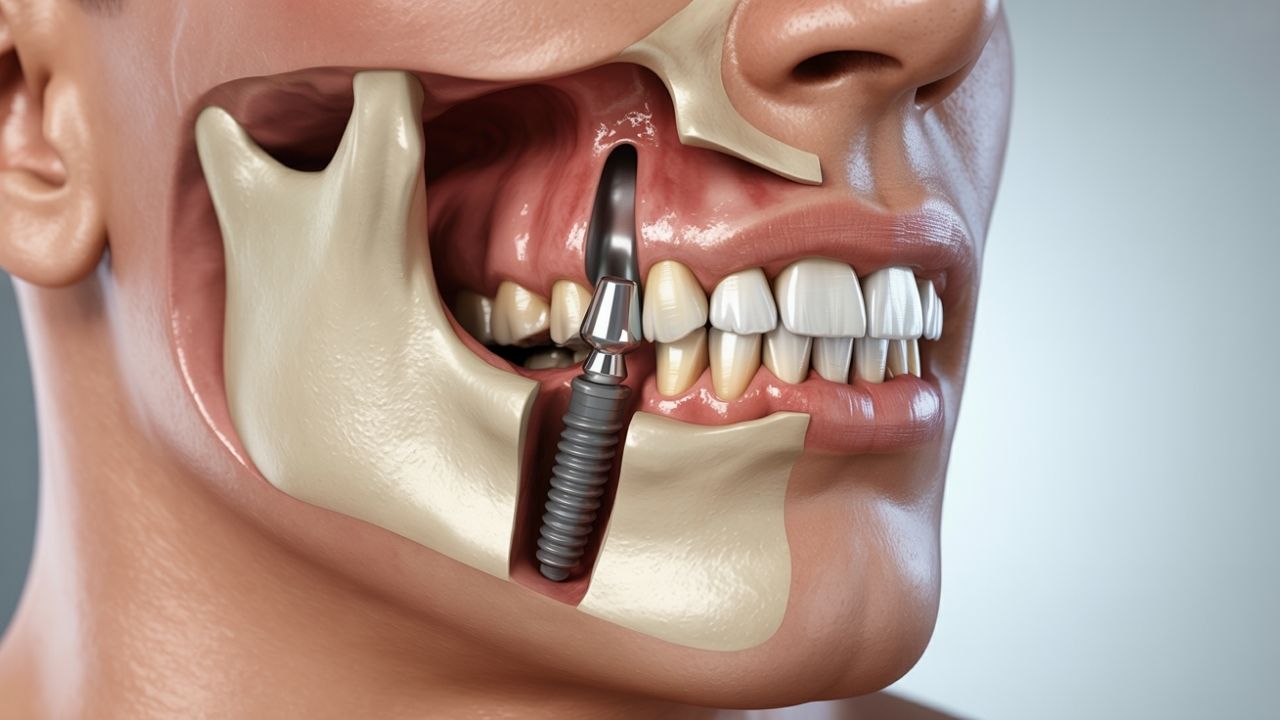
A zygomatic implant is a specialized type of implant developed for patients who lack sufficient bone volume in the upper jaw. Unlike conventional implants, it is anchored into the cheekbone rather than the jawbone. As a result, in the lifespan of zygomatic implants, the need for bone grafting is eliminated in most cases.
Designed with a long and angled structure, zygomatic implants are placed in accordance with the patient’s anatomical features. This technical approach enhances treatment success while also positively influencing the long-term survival of zygomatic implants.
Who Are Zygomatic Implants Suitable For?
Zygomatic implants are an important treatment alternative for patients experiencing advanced bone loss. They are particularly preferred for individuals who have been edentulous for a long time and do not have sufficient bone volume for conventional implant placement.
Suitability can be evaluated in the following patient groups:
- Individuals with advanced bone loss in the upper jaw
- Patients who wish to avoid bone grafting
- Those seeking fixed teeth in a shorter time frame
- Individuals whose general health condition is suitable for surgery
With proper planning in this patient group, the survival of zygomatic implants can be maximized.

What Are the Advantages of Zygomatic Implants?
The advantages of zygomatic implants stand out in terms of both treatment duration and long-term use. Reducing the need for grafting and enabling rapid functional restoration provide significant comfort for patients.
Advantages of zygomatic implants:
- Long lifespan Provides long-term use thanks to strong anchorage in the cheekbone
- Short treatment time Completed more quickly without waiting for graft healing
- High stability Dense bone structure supports firm implant fixation
- Aesthetic contribution Improves facial aesthetics by naturally supporting facial contours
These advantages are among the main reasons why the long-term survival of zygomatic implants is considered superior.
How Are Zygomatic Implants Placed? Lifespan of Zygomatic Implants
Zygomatic implant treatment begins with a detailed planning phase and progresses on a patient-specific basis. In the initial stage, three-dimensional imaging techniques are used to evaluate the structure, density, and angulation of the cheekbone where the implant will be placed. Proper planning enhances surgical safety and supports long-term success.
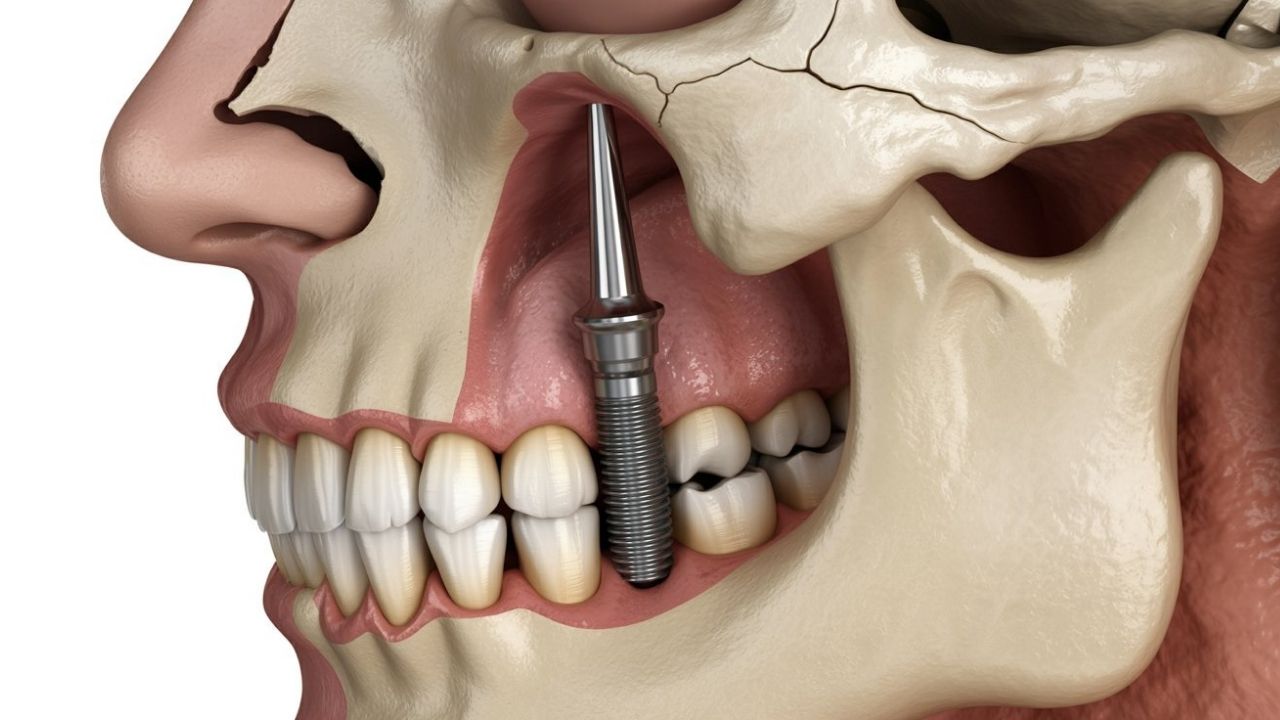
In the lifespan of zygomatic implants, the implant is anchored into the cheekbone at specific angles, providing strong fixation for patients with insufficient upper jaw bone. The procedure can often be completed in a single session, and in suitable cases, temporary or fixed prostheses may be placed on the same day. Correct surgical technique and an expert approach increase treatment comfort while allowing for a more controlled healing process.
1 – How Does Surgical Planning Affect the Survival of Zygomatic Implants?
The survival of zygomatic implants is directly related to the accuracy of surgical planning.
Before treatment, three-dimensional tomography and digital measurement techniques are used to analyze the density, length, and anatomical angulation of the cheekbone in detail. This assessment is critical in determining the optimal angle and depth of implant placement.
At the same time, the patient’s intraoral anatomy, soft tissue condition, and masticatory forces are included in the planning process. Accurate planning ensures ideal bone-to-implant contact and reduces the risk of loosening, pain, or functional loss in the long term. As a result, the survival of zygomatic implants becomes more predictable and long-lasting.
2 – Surgical Placement Process (Lifespan of Zygomatic Implants)
During the surgical stage, the zygomatic implant is anchored into the cheekbone by passing through the upper jaw bone at specific angles. The length and angulation of the implant are determined in strict accordance with the preoperative plan. Throughout the procedure, surrounding anatomical structures are carefully preserved, and stability is prioritized.
Because surgical placement requires a high level of expertise, it should only be performed by clinicians specialized in this field. Proper placement techniques help ensure strong initial fixation from the first day, safely restoring masticatory function and extending the lifespan of zygomatic implants.
3 – Initial Stability and Function After Placement
One of the major advantages of zygomatic implant treatment is the achievement of early stability due to strong bone anchorage. In suitable cases, temporary or fixed prostheses can be placed shortly after surgery, preventing prolonged periods of edentulism.
Strong initial stability supports the osseointegration process and reduces the risk of functional complications in the future. When all these factors are combined, the long-term survival of zygomatic implants is elevated to a high level in both clinical outcomes and patient experience.
Postoperative Care After Zygomatic Implants (Lifespan of Zygomatic Implants)
Post-treatment care is critical for the long-term success of the implants. Mild swelling may occur in the early days; the frequently asked question “Does facial swelling occur after implant placement?” is generally considered a temporary condition.
Regular oral hygiene, professional follow-up visits, and adherence to the clinician’s recommendations play a decisive role in the survival of zygomatic implants. Postoperative care becomes even more important in cases planned in combination with facial implants.
Frequently Asked Questions (Lifespan of Zygomatic Implants)
During the decision-making process for zygomatic implant treatment, patients often have many questions. Topics such as implant longevity, postoperative care, and long-term use are among the most commonly asked. Below are clear answers to frequently encountered questions in clinical practice.
How Many Years Do Zygomatic Implants Last?
With proper surgical planning, high-quality implant materials, and regular oral care, the lifespan of zygomatic implants can exceed 20 years. The dense structure of the cheekbone significantly contributes to long-term stability.
What Are Patient Reviews Like After Zygomatic Implants?
Patient reviews of zygomatic implants are generally positive, particularly regarding fixed prosthetic comfort, restored chewing function, and improvements in facial aesthetics. Patients who struggled with bone loss for years frequently emphasize the improvement in quality of life after treatment.
When Can Patients Return to Daily Life After Treatment?
The recovery process may vary depending on individual factors. Most patients can return to their normal daily activities within a short time; however, following postoperative instructions and attending follow-up appointments are essential.
Why Are Zygomatic Implants Preferred Among Implant Options?
Among implant treatment options, zygomatic implants stand out because they reduce the need for bone grafting in patients with advanced bone loss and provide long-lasting results. These features enhance both treatment comfort and durability.