Zygomatic Implants vs Traditional Implants: Key Differences
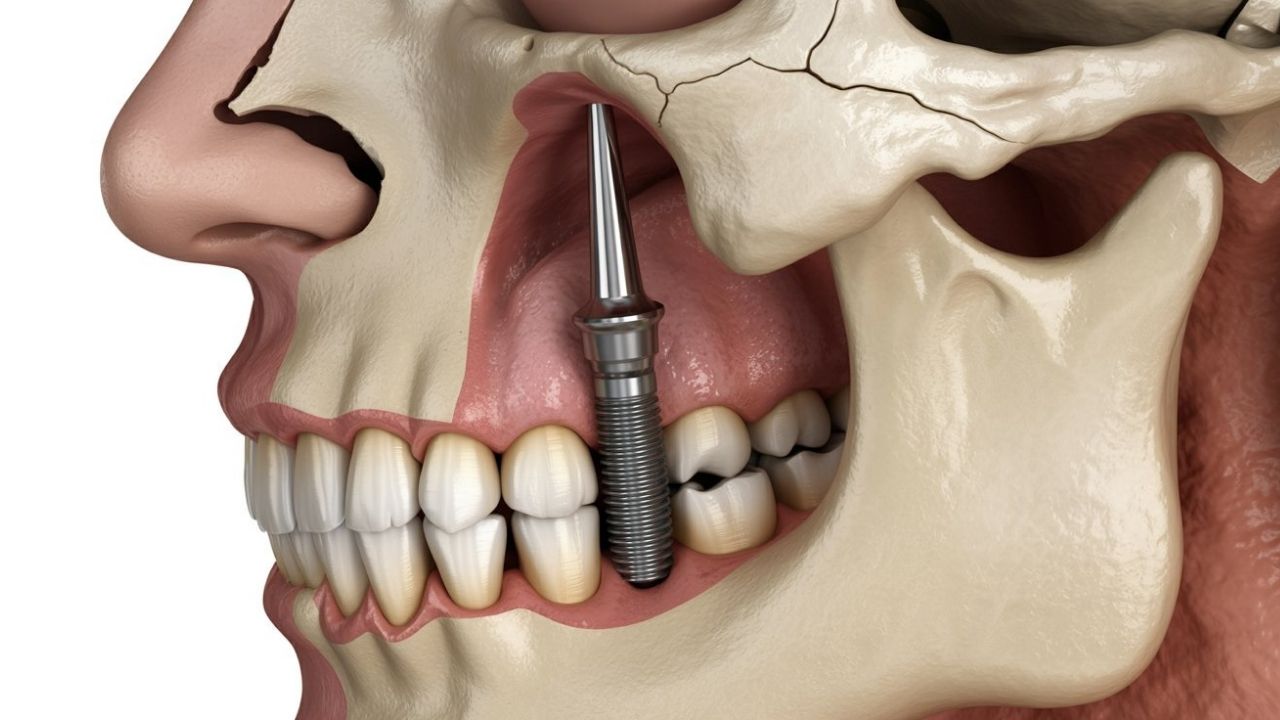
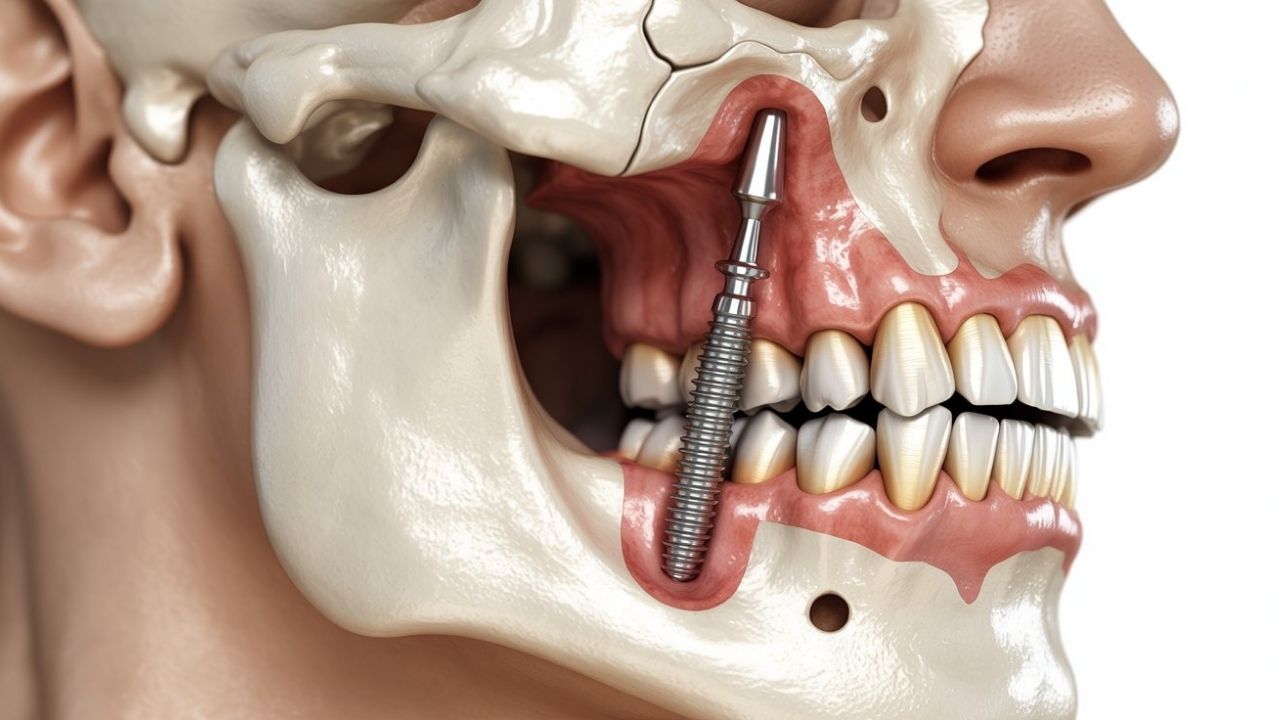
Zygomatic implants offer an alternative approach for patients who have experienced significant bone loss in the upper jaw. Unlike traditional implants that rely on the alveolar bone, zygomatic implants anchor into the cheekbone area.
This implant comparison helps clarify when each option may be suitable. Understanding zygoma implant differences supports informed discussions with a dental professional.
What Are Traditional Dental Implants?
Traditional implants are titanium posts placed directly into the jawbone. They function as artificial tooth roots and usually require adequate bone volume for stability.
Before placement, bone density is assessed through imaging. In cases of insufficient bone, additional procedures may be discussed.
What Are Zygomatic Implants?
Zygomatic implants are longer fixtures that gain support from the zygomatic bone rather than the upper jaw. They are considered when severe bone resorption makes conventional placement difficult.
This method can reduce the need for separate grafting steps in some situations.
Implant Comparison: Core Differences
The main distinction lies in anchorage and bone requirements. Traditional implants use the alveolar ridge, while zygomatic implants utilize the cheekbone for support.
Healing timelines and surgical planning may also vary between the two approaches.
| Aspect | Traditional Implants | Zygomatic Implants |
|---|---|---|
| Bone Requirement | Adequate jawbone volume needed | Relies on zygomatic bone |
| Bone Graft Alternative | Often requires grafting if bone is low | May avoid grafting in many cases |
| Placement Location | Within the jaw ridge | Extends to cheekbone |
| Suitability | Standard bone conditions | Severe upper jaw bone loss |
When Might Each Option Be Evaluated?
Traditional implants are typically reviewed first when bone levels are sufficient. Zygomatic implants enter consideration after detailed imaging shows advanced resorption.
General health, sinus anatomy, and prior treatments also influence the choice.
Bone Graft Alternative Perspective
Some patients explore zygomatic implants to bypass extensive grafting procedures. This can shorten overall treatment stages in selected cases.
However, the decision always depends on individual radiographic and clinical findings.
Frequently Asked Questions
Are zygomatic implants suitable for everyone with bone loss?
Zygomatic implants are not appropriate for every patient. A full examination and three-dimensional scans help determine suitability.
How do zygomatic implants differ from traditional implants in healing time?
Healing periods can vary depending on the surgical plan and individual factors. Traditional implants often involve staged procedures when grafting is needed.
Can zygomatic implants replace the need for bone grafts?
In certain situations they serve as a bone graft alternative, yet this is confirmed only after specialist assessment.
Is pain greater with zygomatic implants than traditional ones?
Discomfort levels differ among individuals and are managed with standard post-operative protocols. Specific expectations should be discussed with the treating clinician.
What imaging is required before deciding between the two?
Three-dimensional cone-beam computed tomography is commonly used to evaluate bone quantity and plan implant positioning.
Can both implant types be combined in one treatment plan?
Hybrid approaches are sometimes considered when bone conditions vary across different jaw regions. Personal evaluation remains essential.
Conclusion
Zygomatic implants and traditional implants each address different anatomical situations. The most appropriate choice emerges from thorough clinical and radiographic assessment by a qualified professional.
Uzman Bilgisi
This content has been prepared for informational purposes in the field of oral, dental and maxillofacial surgery. Prof. Dr. Celal Çandırlı’s over 20 years of professional experience, educational background at England NHS Poole Hospital and Newcastle Freeman Hospital, contributes to addressing the topic within a scientific and clinical framework.
This content is for general informational purposes only; it does not replace diagnosis or treatment. For complaints related to oral, dental and jaw health, you should consult your dentist or relevant specialist healthcare professional.