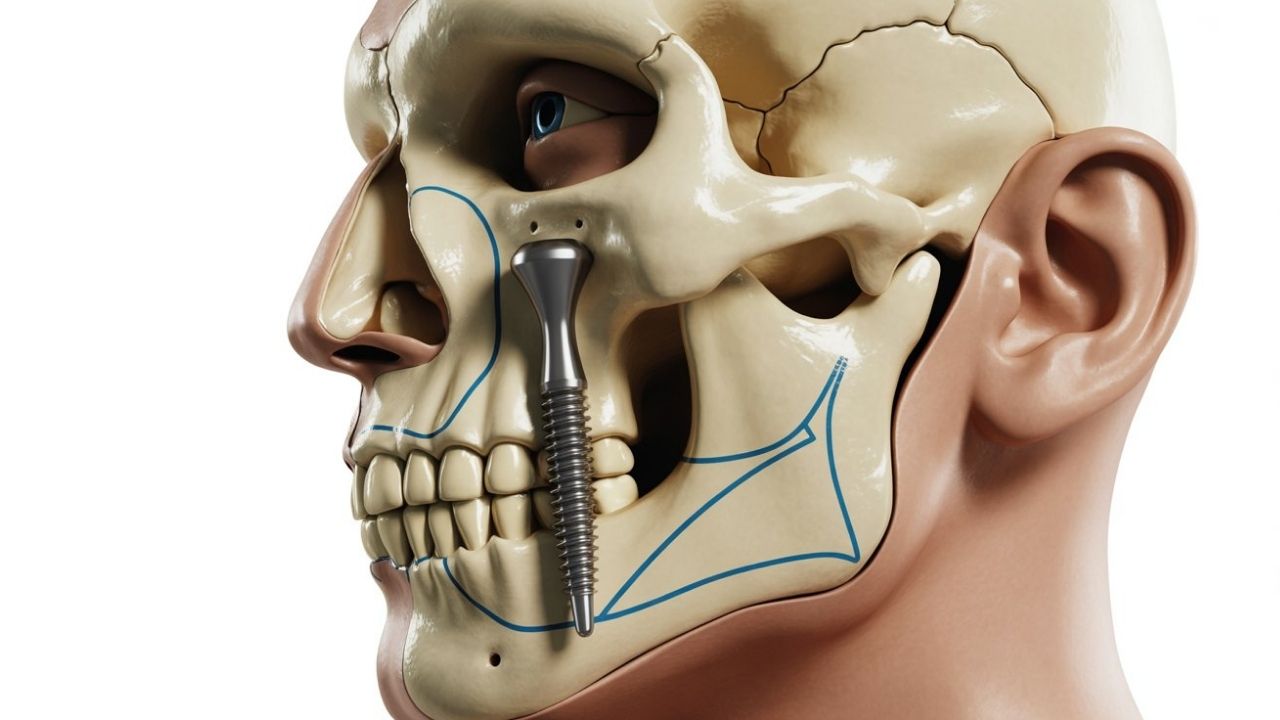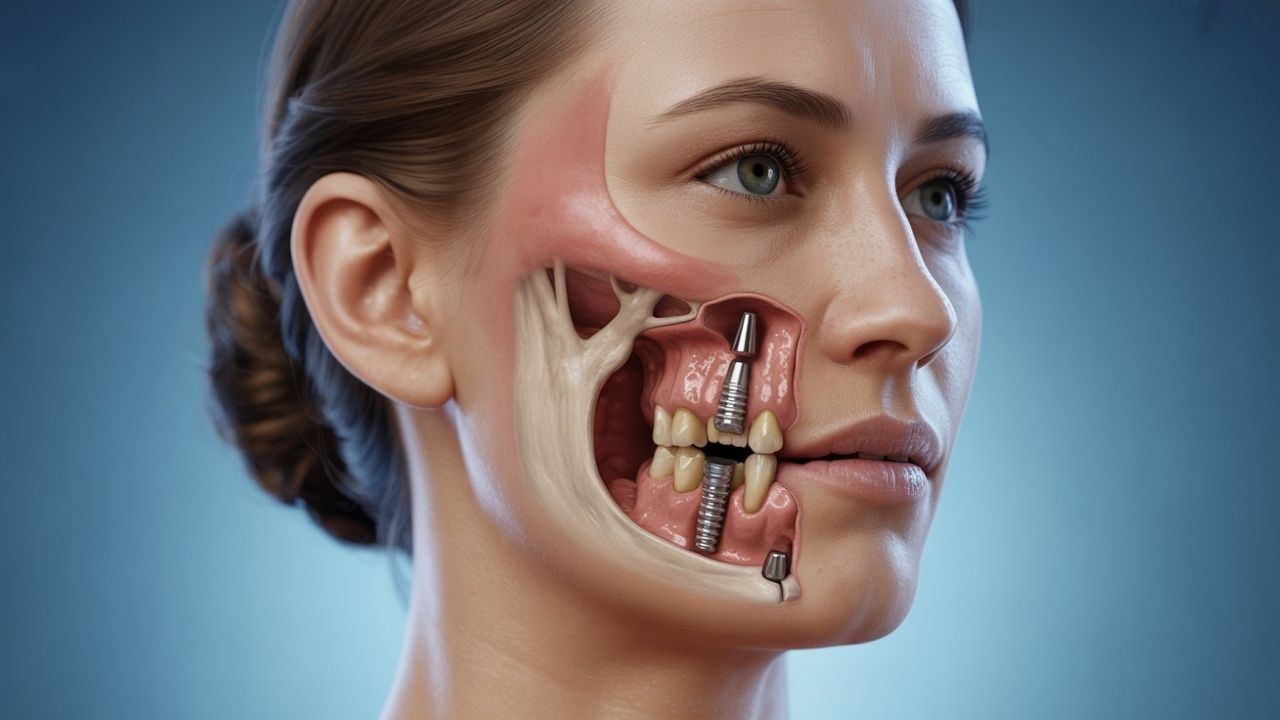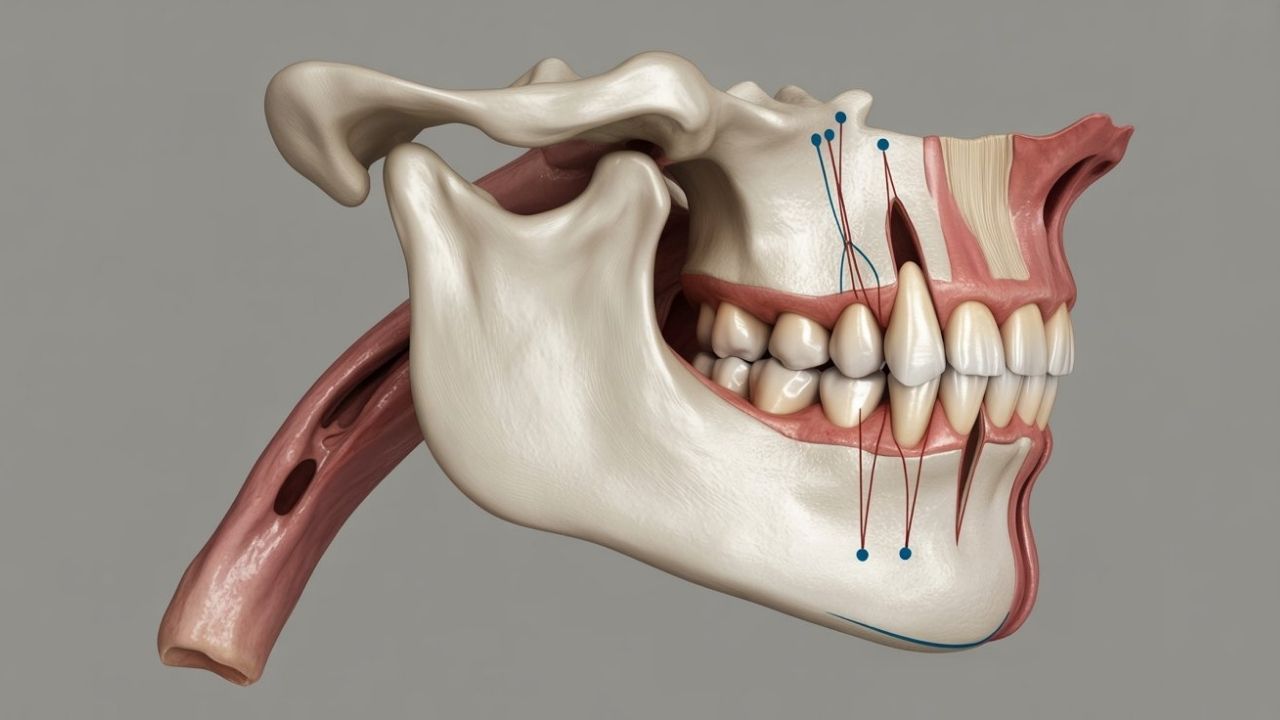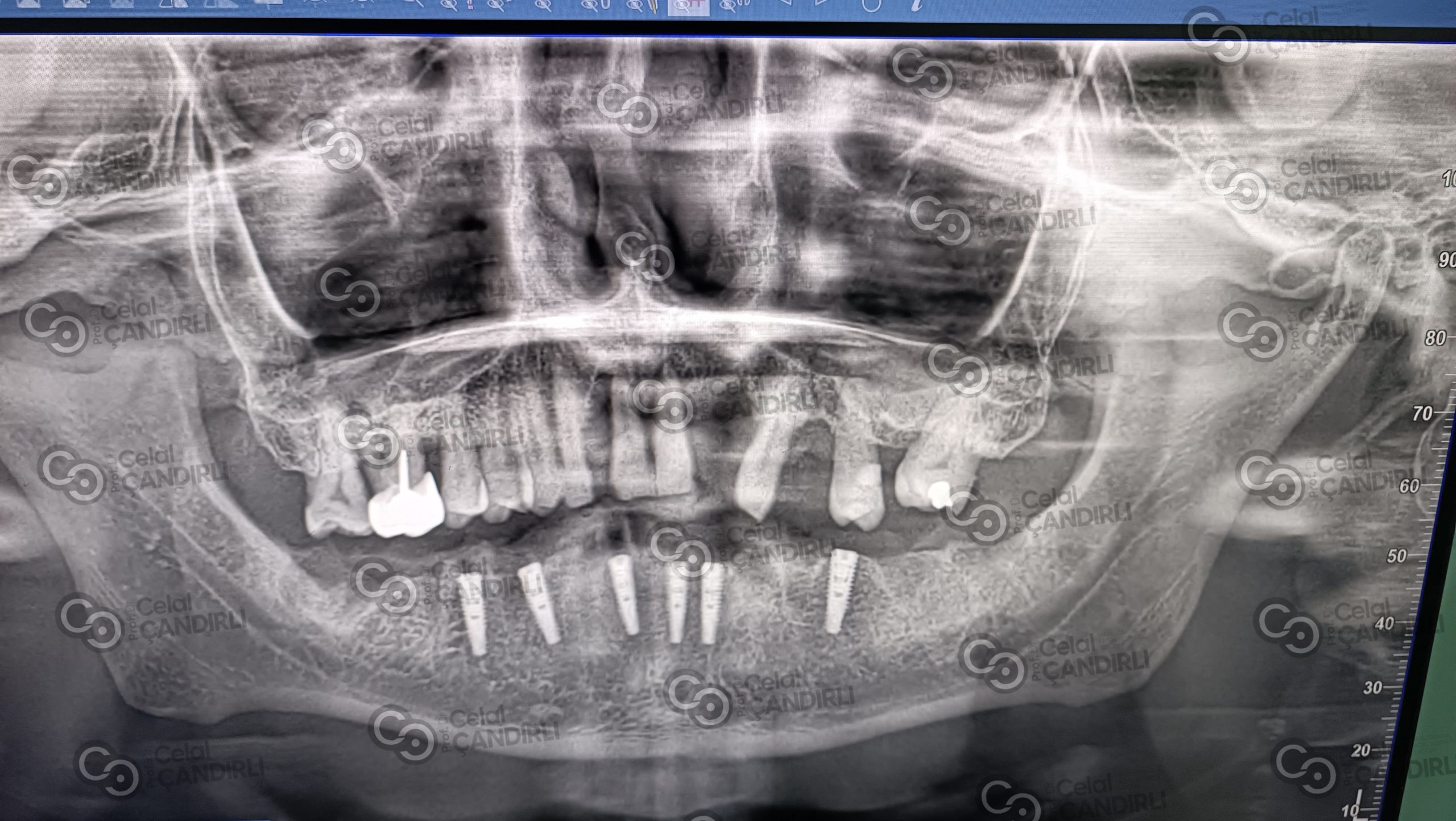
The question “why is there a 3-month waiting period for implants” is one of the most researched topics regarding the implant process by people experiencing tooth loss. The main reason for this period is for the implant to achieve biological compatibility with the jawbone where it is placed and to form a permanent integrity. The waiting period is a critical stage that directly affects the success of treatment.
In current implant treatment approaches, the three-month period is based on scientific data. Prosthetic applications performed before this period is completed may cause the implant to not reach sufficient durability within the bone. The waiting period is necessary not just to save time, but to achieve a healthy and long-lasting result.
What Are the Basic Stages of Implant Treatment? ( 3-Month Waiting Period for Implants)
Implant application is a planned treatment process that progresses through specific stages. Each stage is important for the implant to become compatible with the bone and gain function.
The treatment process does not only include the surgical procedure. Planning, healing, and prosthesis application are evaluated together. Incomplete progress in any of these stages may negatively affect implant success.
1 – Examination and Planning Stage and 3-Month Waiting Period for Implants
In the first step of treatment, the height, density of the jawbone and general oral health are evaluated. This stage enables the determination of the implant system to be applied and the waiting period. Proper planning helps prepare the area where the dental implant will be placed at the ideal angle. This situation directly affects the process of implant integration with the bone.
2 – Implant Placement Stage
In the second stage, the implant is placed into the jawbone through a surgical procedure. The procedure is usually performed under local anesthesia and is completed in a short time. After the implant is placed, the body enters a natural healing process. At this point, a 3-month waiting period for the implant comes into play.
3 – Osseointegration and Waiting Process
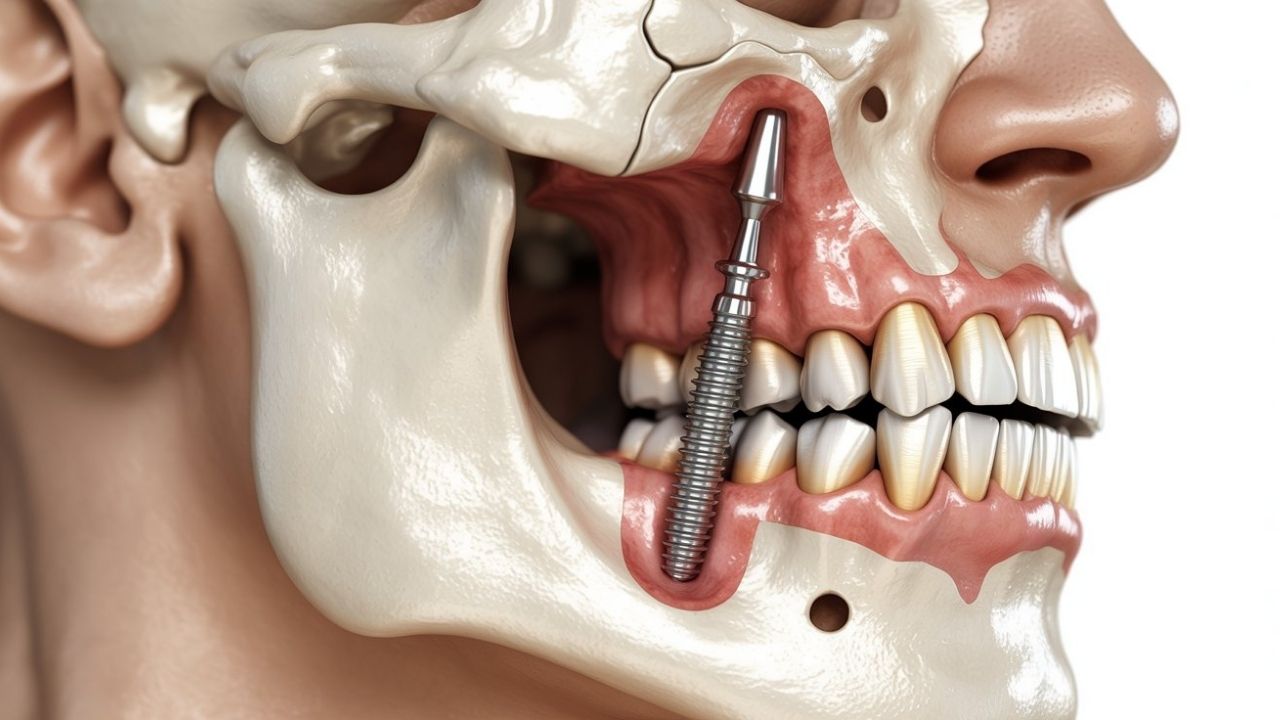
Osseointegration means the integration of the implant with bone tissue. In this process, bone cells attach to the implant surface creating a solid structure. Time is needed for the biological process to be completed. The answer to the question “why is there a 3-month waiting period for implants” is directly related to the bone healing process.
Why Is There a 3-Month Waiting Period for Implants?
Complete acceptance of the implant by the bone requires a certain amount of time. In the average three-month period, the implant reaches stability where it can behave like a natural tooth root.
When the 3-Month Waiting Period for Implants is completed, the prosthetic tooth can be safely placed. In earlier loadings, microscopic movements may occur around the implant and this situation may lead to failure in the long term.
Main reasons for the waiting period: formation of a strong bond between bone and implant, increase in implant stability, increase in long-term success rate, and reduction in the risk of problems during the prosthesis stage.
Does the 3-Month Waiting Period for Implants Vary According to Bone Structure?
A 3-month waiting period for dental implants may not progress the same way in every patient. The density, volume, and blood supply level of the jawbone directly affect the course of this period. Especially in individuals with high bone quality, the healing process progresses more stably.
In patients with weak bone structure, it may take longer for the implant to fully integrate with the bone. Therefore, the waiting period should be evaluated as a process based on biological healing, not a standard rule.
Things Patients Should Pay Attention to During the Implant Waiting Period
The period after the implant is placed is at least as important as the surgical procedure in terms of treatment success. Mistakes made during this period can negatively affect the integration of the implant with the bone.
Especially attention should be paid to oral hygiene, hard foods should be avoided, and the check-ups recommended by the physician should not be skipped. Conscious behavior of the patient during the implant treatment process ensures the healthy completion of the waiting period.
 Why Is There a 3-Month Waiting Period for Implants and May a Longer Period Be Required?
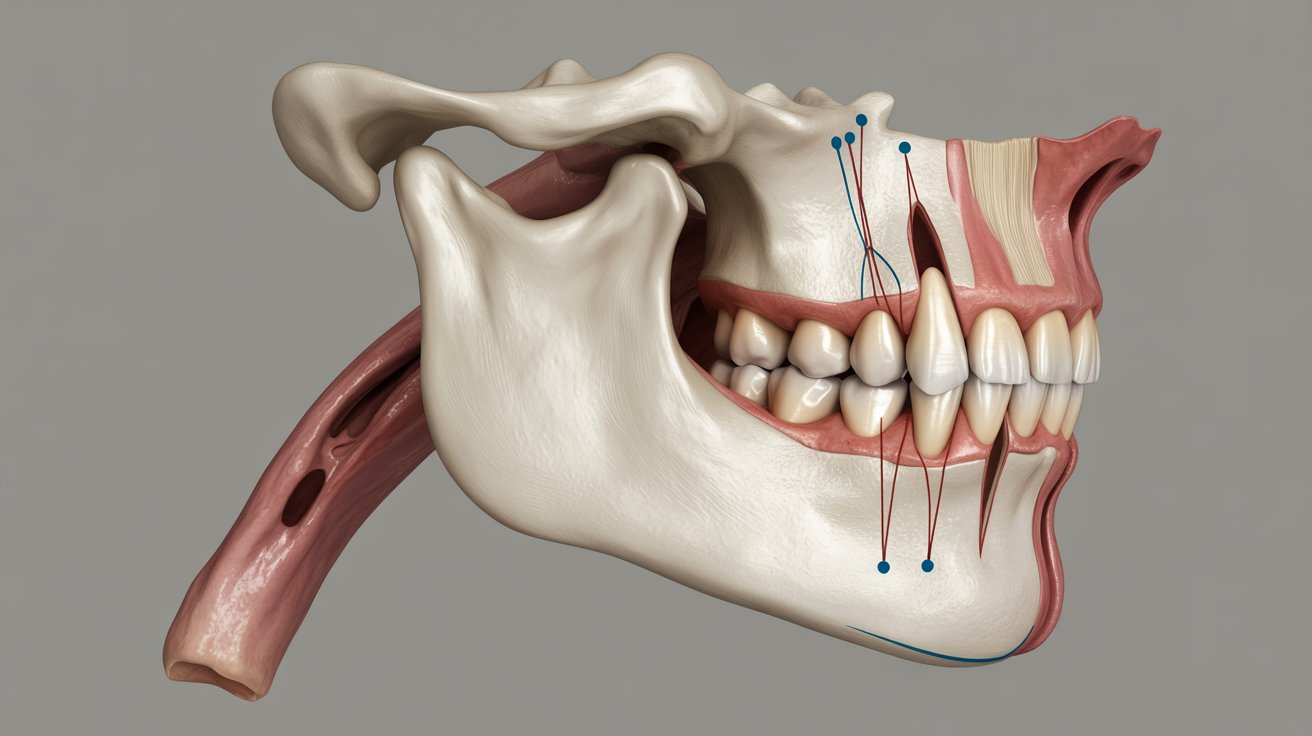
While the three-month period is sufficient in some cases, a longer waiting period may be required in some situations. The healing time may be extended in areas where bone grafting has been applied or in individuals with systemic diseases.
In such cases, in addition to the question “why is there a 3-month waiting period for implants,” why a longer period is needed should also be explained to the patient in detail. The aim is not to rush, but to achieve a permanent result.
The Relationship Between Implant Waiting Period and Prosthesis Success
Prosthetic applications performed before the waiting period is completed can cause early loading on the implant. This situation increases the risk of bone loss around the implant.
When sufficient time is waited, the prosthetic tooth is placed on the implant in a balanced way. This provides long-term comfort and function in dental implant applications.
Does Waiting 3 Months for Implants Provide Long-Term Advantage?
Although getting teeth in a short time seems attractive to many patients, long-term success should always be a priority.
Implants that have completed the waiting period become more resistant to chewing forces. Therefore, the three-month period in implant applications is not a waste of time, but forms the basis of trouble-free use for many years. This period should be patiently completed without deviating from the doctor’s treatment.
In Which Cases Can Prosthetic Teeth Be Attached in Less Than 3 Months?
In some cases, if bone density is sufficient, the waiting period may be shortened. However, this situation is not suitable for every patient and requires careful evaluation. Generally, the possibility of early loading increases because the bone structure is denser in the lower jaw. Nevertheless, this decision depends on the initial stability provided by the implant within the bone for the rule of 3-Month Waiting Period for Implants.
Early loading evaluation table:
| Condition | Evaluation |
|---|---|
| High bone density | Suitable |
| Area with bone graft applied | Not suitable |
| Single tooth deficiency | May be suitable |
| Presence of systemic disease | Not suitable |
How Is an Implant Done?
Implant application is a surgical procedure and is performed under sterile conditions. The gum is opened, the implant is placed into the jawbone, and the area is closed. After the procedure, the healing process begins. This process is of great importance for the implant to become compatible with the bone.
How Long Does an Implant Take?
The implant placement procedure is usually completed within 15-30 minutes. However, the total duration of treatment takes several months when the waiting period is included. The question “why is there a 3-month waiting period for implants” clearly shows that the process is not just about the surgical procedure.
Implant Operation and Recovery Process
Mild pain and swelling may occur in the first days after the operation and 3-Month Waiting Period for dental Implants. These symptoms usually decrease in a short time. Paying attention to oral hygiene during the recovery period supports the healthy integration of the implant with the bone.
Factors Affecting Implant Success
Implant success is not limited to the quality of the surgical procedure alone. The patient’s general health condition and habits also affect the process.
Main factors affecting success: bone quality, smoking, oral hygiene, and the implant system used.
Why Prof. Dr. Celal Çandırlı Is a Leading Name in Zygomatic Dental Implants
Prof. Dr. Celal Çandırlı is considered a leading authority in zygomatic dental implants because his surgical background, clinical expertise, and treatment philosophy are uniquely suited to this highly advanced procedure. As a maxillofacial surgeon, he has in-depth mastery of facial anatomy, including the zygomatic bone, sinus cavities, and surrounding vital structures—an essential requirement since zygomatic implants are anchored in the cheekbone rather than the jaw.
His practice is particularly focused on complex cases involving severe upper-jaw bone loss, failed conventional implants, long-term denture use, or bone deficiencies caused by trauma or tumor treatment. By combining CBCT imaging, digital 3D planning, and guided surgical techniques, he is able to place implants with exceptional precision, reducing risks related to the sinus and orbital regions.
In suitable patients, he also applies a one-stage, immediate-loading approach, allowing fixed teeth to be placed in a significantly shorter time frame without compromising stability. Treating a large number of international patients, Prof. Dr. Çandırlı follows a multidisciplinary workflow that balances surgical accuracy, prosthetic planning, and long-term functional and aesthetic outcomes—key factors that define success in zygomatic dental implant treatment.
Frequently Asked Questions ( 3-Month Waiting Period for Implants)
Questions about the implant process usually focus on the waiting period and prosthesis stage. Below, the most frequently wondered topics are clarified.
When Is the Tooth Attached After the Implant Screw Is Placed?
In most cases, approximately a three-month waiting period is required for the prosthetic tooth. This period is important for the implant to fully integrate with the bone.
Is the Lower Jaw Implant Waiting Period Different?
The bone structure in the lower jaw is generally denser. Therefore, the waiting period may be shorter in some patients.
What Happens If the Implant Is Loaded Early?
Loading performed before the bone-implant connection is sufficiently strong may increase the risk of implant failure.
Is It Mandatory to Wait 3 Months for Every Patient?
No. The waiting period may vary according to the patient’s bone structure, general health condition, and implant stability.
Why Does It Take 3 Months for Dental Implants?
Dental implants usually require a healing period of around three months because the implant must fuse with the jawbone through a biological process called osseointegration. During this time, bone cells grow and bond tightly to the titanium implant surface. This healing phase is essential for long-term stability, strength, and chewing function. Rushing this process can increase the risk of implant failure.
What Is the 3-2 Rule for Dental Implants?
The 3-2 rule refers to a common clinical guideline in implant planning. It generally means allowing 3 months of healing in the lower jaw and up to 2 additional months in the upper jaw if bone quality is weaker. The upper jaw typically heals more slowly due to softer bone and proximity to the sinus cavities.
How Long Do Dental Implants Take in Turkey?
Dental implant treatment in Turkey often follows a two-stage timeline. The first visit (about 5–7 days) includes implant placement. After a healing period of 2–4 months, a second visit is scheduled for the permanent crowns. In some cases, immediate or same-day implants may be possible, depending on bone quality.
Will I Be Toothless While Waiting for an Implant?
Most patients are not toothless during the healing phase. Temporary solutions such as provisional crowns, removable dentures, or temporary bridges are commonly used. These options help maintain appearance, speech, and daily comfort while the implant integrates with the bone.
How Long Is Too Long to Wait for Dental Implants?
Waiting longer than 6–12 months after tooth loss can become problematic. Over time, the jawbone may shrink due to lack of stimulation, which can complicate implant placement. Delayed treatment may require additional procedures such as bone grafting to restore lost bone volume.
When Do Most Dental Implants Fail?
Most dental implant failures occur within the first 3 to 6 months, during the osseointegration phase. Common causes include infection, poor bone quality, smoking, uncontrolled diabetes, or excessive biting pressure. Late failures are rarer and usually related to poor oral hygiene or mechanical overload.
Can You Pay Monthly for Dental Implants in Turkey?
Many clinics in Turkey offer monthly payment plans, installment options, or financing through partner providers. These plans vary by clinic and may depend on the total treatment cost, the number of implants, and whether treatment is paid locally or internationally.
What Country Is Best for Dental Implants?
The “best” country for dental implants depends on priorities such as cost, surgeon experience, technology, and travel convenience. Countries known for dental tourism often combine high clinical standards with affordable pricing, making them attractive alternatives to treatments in the US or Western Europe.
How Much Is a Full Set of All-on-4 Implants?
The cost of a full set of All-on-4 dental implants typically ranges from $8,000 to $25,000 per arch, depending on the country, materials used, and clinical expertise. This price usually includes implants, surgery, and a fixed prosthetic bridge, making it a cost-effective full-mouth restoration option compared to placing individual implants.